
Blue Zone

What is the Blue Zone?
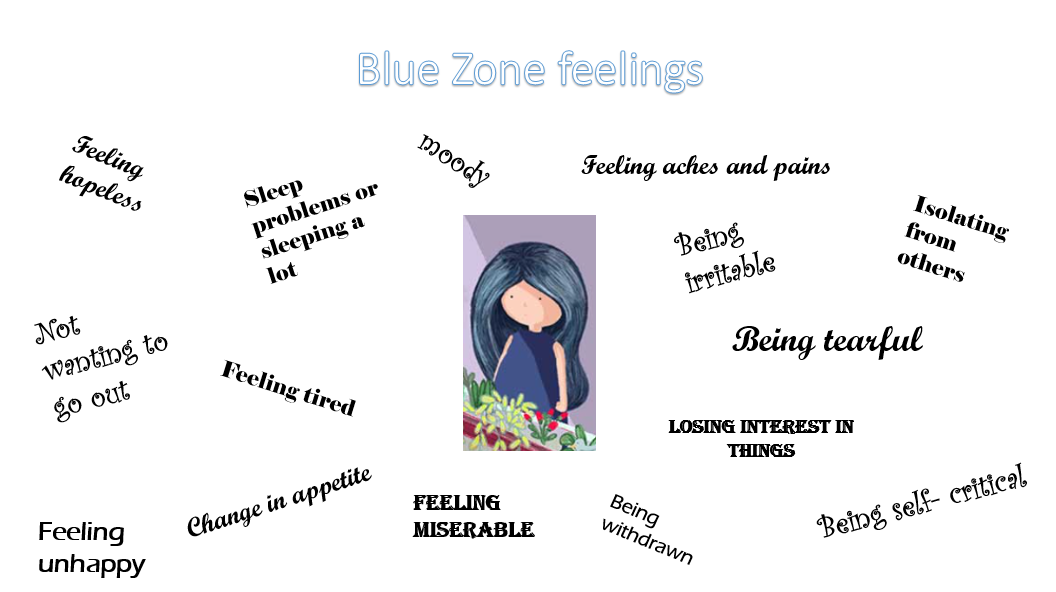
The Blue Zone describes feelings and body states associated with low energy. Children may feel sad, tired, bored, lonely, disappointed or unwell. Being in the Blue Zone is a normal part of life. Sometimes we need rest, comfort or connection; at other times, gentle movement or an enjoyable activity may help.
All Zones are okay. Your child does not need to change how they feel or move into the Green Zone. Our aim is to help them understand their feelings and recognise what they need.
What might you notice?
Every child expresses feelings differently. Your child might:
- Seem quieter than usual or want some time alone.
- Be tearful or seek extra reassurance.
- Have less energy for play or everyday activities.
- Find it harder to concentrate or get started.
- Become more easily frustrated.
- Want to rest or stay close to a trusted adult.
These signs do not tell us exactly how a child feels. Gently check in with them rather than assuming their Zone.
How might your child be feeling?
Your child might say:
- “I feel sad.”
- “I’m really tired.”
- “I feel lonely.”
- “I’m bored.”
- “I don’t feel well.”
- “I need a cuddle or some quiet time.”
Some children find it easier to point to a picture, draw or use a gesture than explain their feelings in words. Give them time and different ways to communicate.
How do we support children in school?
We help children explore what they need and choose suitable support. This may include:
- A reassuring check-in with a trusted adult.
- Time to rest or access a quiet, comfortable space.
- Gentle movement or a sensory break suited to their needs.
- Drawing, reading or another enjoyable activity.
- Support to connect with friends when they feel ready.
- Help to recognise physical needs, such as thirst, hunger or feeling unwell.
Adults offer reassurance and help children practise strategies. We recognise that different children need different support.
How can you help at home?
Start by connecting with your child. You could say:
“You seem a little quiet today. Would you like to talk, have some company or take a break?”
Depending on what your child needs, you could:
- Offer comfort: sit together, listen or offer a cuddle if they would like one.
- Allow rest: provide a quiet space and time to recharge.
- Check physical needs: consider whether they are tired, hungry, thirsty or unwell.
- Try gentle movement: take a short walk, stretch or dance to a favourite song.
- Make time for enjoyment: draw, build, bake, read or play together without pressure.
- Support connection: spend time with someone they trust or arrange a manageable activity with a friend.
- Offer simple choices: “Would you like to read together or sit quietly for a while?”
Avoid pressure to cheer up or explain everything immediately. Acknowledge their feelings and let them know you are available.
Strategies are choices, not demands. What helps on one day may be different on another.
Stories to read at home
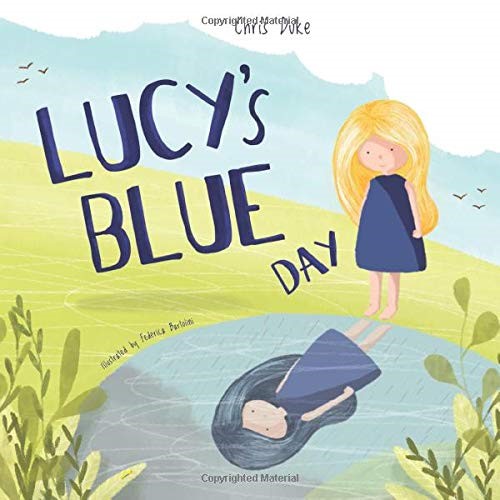
Lucy’s Blue Day by Christopher Duke can help children explore sadness and understand that having a difficult day is okay.
When might extra support help?
Being in the Blue Zone does not automatically mean a child has depression. However, if sadness, withdrawal or loss of interest persists, becomes more frequent or affects everyday life, speak to your child’s class teacher or GP.
You can also find advice and local support through:
Please contact the school office if you would like to speak with our Mental Health Lead, Family Support Worker or Inclusion Team.
You do not need to wait until things feel overwhelming to ask for help.