
Yellow Zone

What is the Yellow Zone?
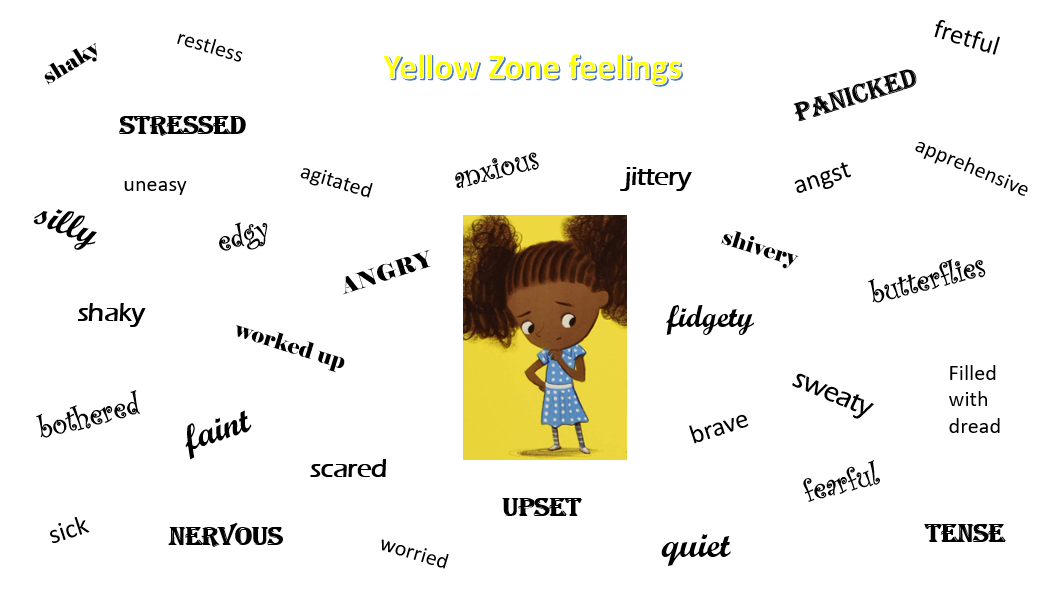
The Yellow Zone describes a state of higher energy or stronger feelings. Children may feel excited, enthusiastic, restless, worried, nervous, frustrated or overwhelmed. These feelings are a normal part of everyday life. A child might feel excited before a celebration or nervous about trying something new.
All Zones are okay. The aim is to help children understand their feelings and recognise what they need, rather than automatically move into the Green Zone.
What might your child notice?
Children experience feelings differently. Your child might notice:
- Butterflies or a tight feeling in their tummy.
- A faster heartbeat.
- Tense muscles or warm cheeks.
- Lots of thoughts or difficulty focusing.
- An urge to move, fidget or talk more.
- Feeling unsure, unsettled or needing reassurance.
Some children show these feelings outwardly; others may appear quiet. We cannot identify a child’s Zone from their behaviour alone.
How might your child be feeling?
Your child might say:
- “I’m excited!”
- “I’m worried about what will happen.”
- “I feel frustrated.”
- “My body feels full of energy.”
- “There’s too much going on.”
- “I need a break or some help.”
Children can communicate through talking, pictures, drawing or gestures. They do not have to choose a colour or explain their feelings before receiving support.
How do we support children in school?
We help children notice their feelings and body signals, then explore what support would help. This may include:
- Reassurance and connection with a trusted adult.
- Clear explanations and preparation for changes.
- Movement or sensory breaks suited to individual needs.
- A quieter space or adjustments to noise and other sensory demands.
- Gentle breathing, stretching or mindfulness activities, if helpful.
- Breaking a task into smaller, manageable steps.
- Opportunities to express worries through conversation, drawing or writing.
Adults help children manage strong feelings through co-regulation: staying calm, listening and offering support. Strategies are offered flexibly, with respect for each child’s preferences.
How can you help at home?
Start by acknowledging your child’s feelings:
“It makes sense that you feel nervous about something new. We can work out what might help together.”
You could:
- Listen without rushing to fix things: give your child time to share.
- Explore what they need: ask, “Would you like help, a break or someone to sit with you?”
- Offer movement: try walking, dancing, stretching or active play.
- Reduce overload: find a quieter space or make an activity more manageable.
- Try gentle breathing: offer it as a choice and stop if it feels uncomfortable.
- Make worries easier to share: draw, write, use a journal or create a worry box.
- Prepare together: explain what will happen and agree a small next step.
- Make space for excitement: help your child enjoy energetic feelings safely.
A worry box or worry monster can open a conversation. Return to the worries together so your child knows they have been heard.
Different strategies help different children. Practise together during settled moments, without pressure to use a particular tool.
Stories to share at home
Ruby’s Worry by Tom Percival explores how worries can grow and how sharing them with someone can help.
Read together and invite your child to talk or draw if they wish. They may prefer simply to listen.
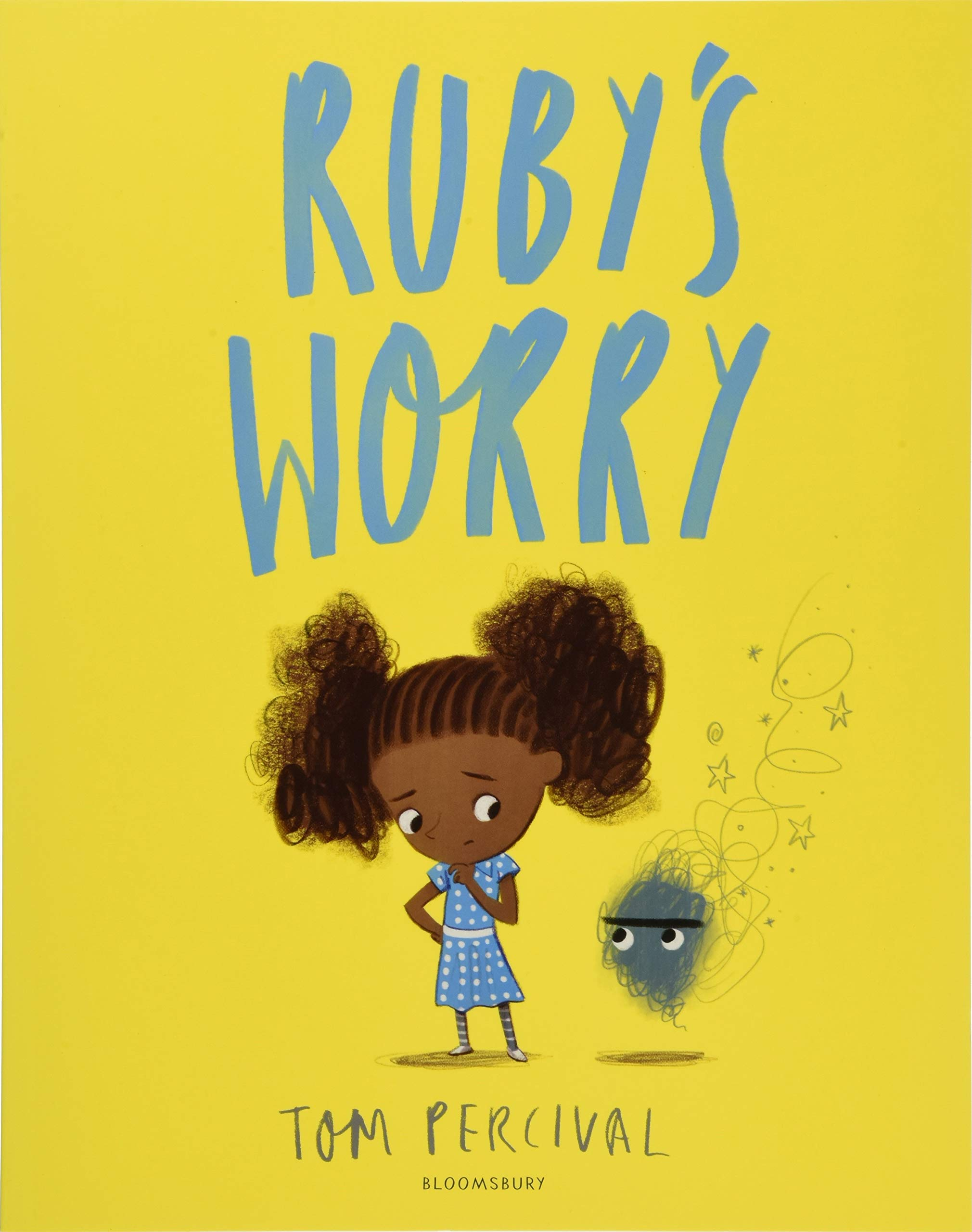
Ruby’s Worry by Tom Percival | Read by Teacher Charla – YouTube
When might extra support help?
Occasional worries are common. If worries persist, become overwhelming or affect your child’s sleep, friendships, school attendance or everyday activities, speak to their class teacher or GP.
For further information and support:
You can also contact the school office to ask to speak with our Mental Health Lead, Family Support Worker or Inclusion Team.
Your child does not need to manage difficult feelings alone. We are here to listen and help.