
EYFS
Welcome to our Early Years Foundation Stage
Get ready to learn lots and have fun whilst you do it!
As stated in the statutory framework for early years, we believe that every child deserves the best possible start in life and the support that enables them to fulfil their potential. Children develop quickly in the early years and a child’s experiences between birth and age five have a major impact on their future life chances. A secure, safe and happy childhood is important in its own right. Good parenting and high-quality early learning together provide the foundation children need to make the most of their abilities and talents as they grow up. Here at Leamington we aim to ensure that children learn and develop well and are kept healthy and safe. Our curriculum is broken into 7 areas of learning. All areas of learning and development are important and inter-connected. These areas are particularly crucial for igniting children’s curiosity and enthusiasm for learning, and for building their capacity to learn, form relationships and thrive.
At Leamington we have worked closely with our curriculum lead in order to develop our own immersive curriculum. This begins when children join our nursery and continues until the end of Year 6. We aim to emotionally connect the pupils to their curriculum to increase motivation, interest and attitude to learning. We want our children to love to learn and this journey starts in our early years. We do this by immersing the children into every aspect of our curriculum, we step into magic story world where anything is possible- aspirations are high! We help solve mysteries, become superheroes, fairy tale characters and much more. We want all learners to exceed their potential academically, socially and emotionally thus gaining the necessary skills, knowledge and attributes to be successful in the next stage of their learning. Children also use elements of Pie Corbett’s model to add actions enabling them to orally retell stories and even compose their own versions. We want to provide children with real life experiences allowing them to apply the skills we teach “for real”.
As a team we have used Development Matters to help us design an effective curriculum, building on the strengths and meeting the needs of our children. We have also included some statements from Birth to Five that we feel are integral to the development of our children. We take a flexible approach and try to plan from the children’s interests and needs, no 2 years are the same as we start at the children’s level and build on their prior knowledge and skills. We have a curriculum plan for Nursery and Reception which is our starting point that we build upon according to the interests and needs of each cohort. Our curriculum is child centred following the interests and fascinations of the children in the current year group. We are passionate about children leading and engrossing themselves in their learning. Through our knowledge of each child and formative assessments we plan immersive activities that will move the children’s learning forward. Each year creates its own unique blend of whole class, guided, adult directed play and child-initiated play activities dependant on the nature and needs of the class of individuals.
In our Early Years Foundation Stage, children learn through playing, exploring, being active, and thinking creatively and critically. Our learning takes place both indoors and outdoors, providing children with a wide range of experiences, opportunities and environments in which to develop and thrive.
Our outdoor provision is open throughout the year, except in the most challenging weather conditions. We believe that being outdoors offers children experiences and opportunities that cannot always be replicated within the classroom. It encourages curiosity, independence, physical development, problem-solving and a sense of wonder as children explore the world around them.
Children are encouraged to make choices about where and how they learn, developing their independence and confidence as learners. Our skilled practitioners carefully plan and adapt experiences so that all seven areas of learning and development are supported both indoors and outdoors.
Through this approach, children are able to follow their interests, revisit and deepen their learning, and develop the skills, knowledge and confidence they need for the next stage of their education.
Personal, Social and Emotional Development
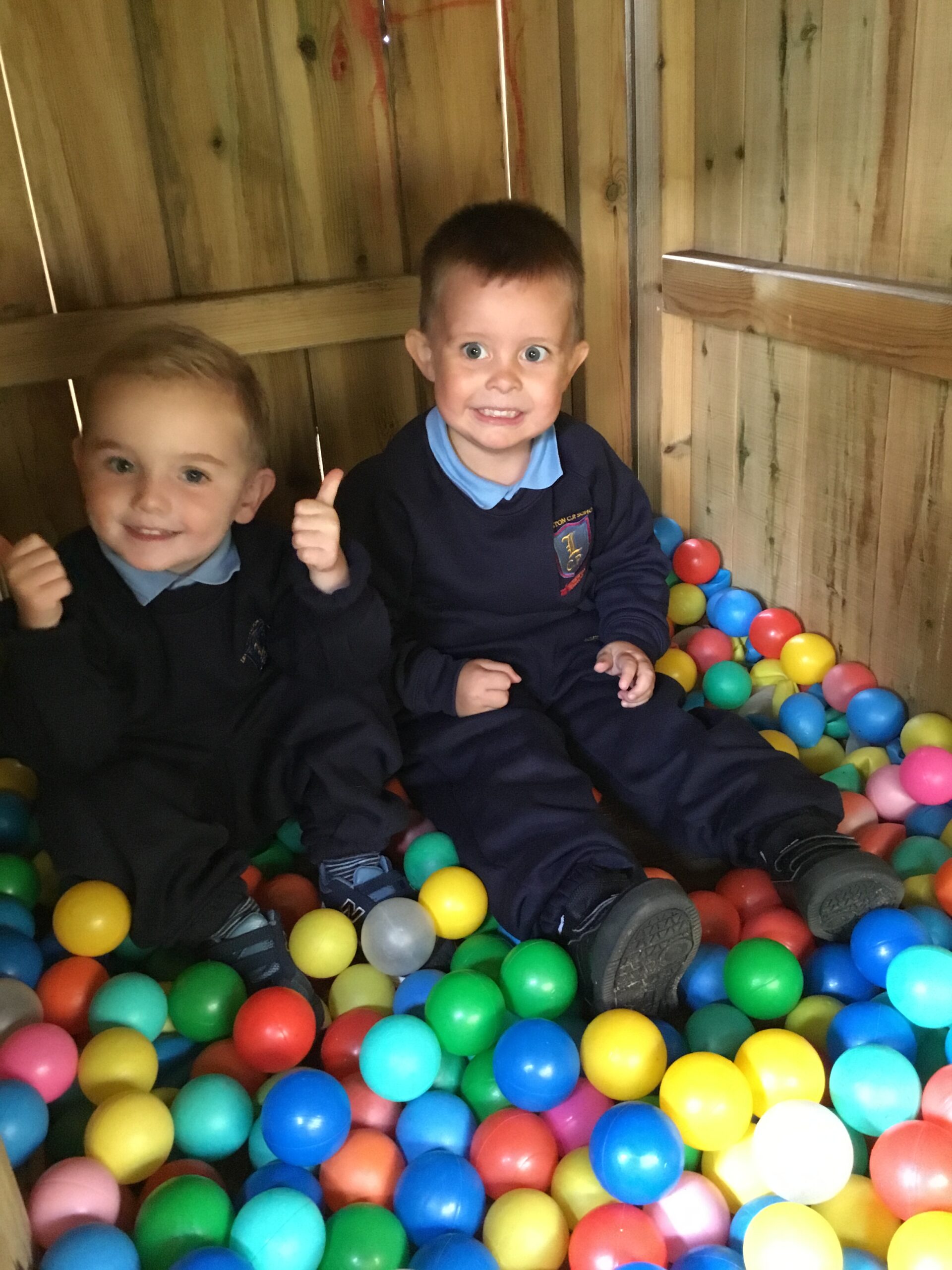
At Leamington, we believe that children learn best when they feel safe, valued, confident and understood. We provide a warm, nurturing environment where every child is encouraged to develop their sense of self, build positive relationships and become increasingly independent.
We learn from one another every day. Our regular Wellbeing Time gives children opportunities to pause, reflect and develop an awareness of their own emotions and wellbeing. Children enjoy a range of activities including meditation, yoga and peer massage, helping them to develop calmness, self-awareness and positive strategies for managing their emotions.
We follow the Key Person approach in both Nursery and Reception. This helps children to settle into school, develop secure and trusting relationships with familiar adults and feel confident to explore, play and learn. Our practitioners take the time to understand each child as an individual and respond to their unique needs, interests and experiences.
Children are supported to develop the skills they need to make friends, share, take turns, cooperate, resolve difficulties and work as part of a group. While these skills develop naturally for some children, others may need additional support, modelling and carefully planned opportunities to practise them. We provide this support sensitively, recognising that every child develops at their own pace.
We want our children to feel that school is a place where they belong, have fun and can be themselves. We encourage children to have a go, make mistakes and try again. Adults model this too, helping children to understand that mistakes are a natural and important part of learning. Through this approach, children develop confidence, resilience and a positive attitude towards challenge.
Every child is treated as an individual. There is no one-size-fits-all approach at Leamington. We celebrate children’s individual strengths and provide the support and challenge they need to flourish.
By the time children leave Reception the expectations are that:
- Children will show an understanding of their own feelings and those of others, and begin to regulate their behaviour accordingly. Set and work towards simple goals, being able to wait for what they want and control their immediate impulses when appropriate. Give focused attention to what the teacher says, responding appropriately even when engaged in activity, and show an ability to follow instructions involving several ideas or actions.
- We want children to be confident to try new activities and show independence, resilience and preserve in the face of challenge. Children will understand and be able to explain the reasons for rules, know right from wrong and try to behave accordingly. Manage their own basic hygiene and personal needs, including dressing, going to the toilet and understanding the importance of healthy food choices.
- Children will learn to work and play cooperatively and take turns with others. Form positive attachments to adults and friendships with peers. Show sensitivity to their own and to others’ needs.
.
Physical Development
How lucky are we?
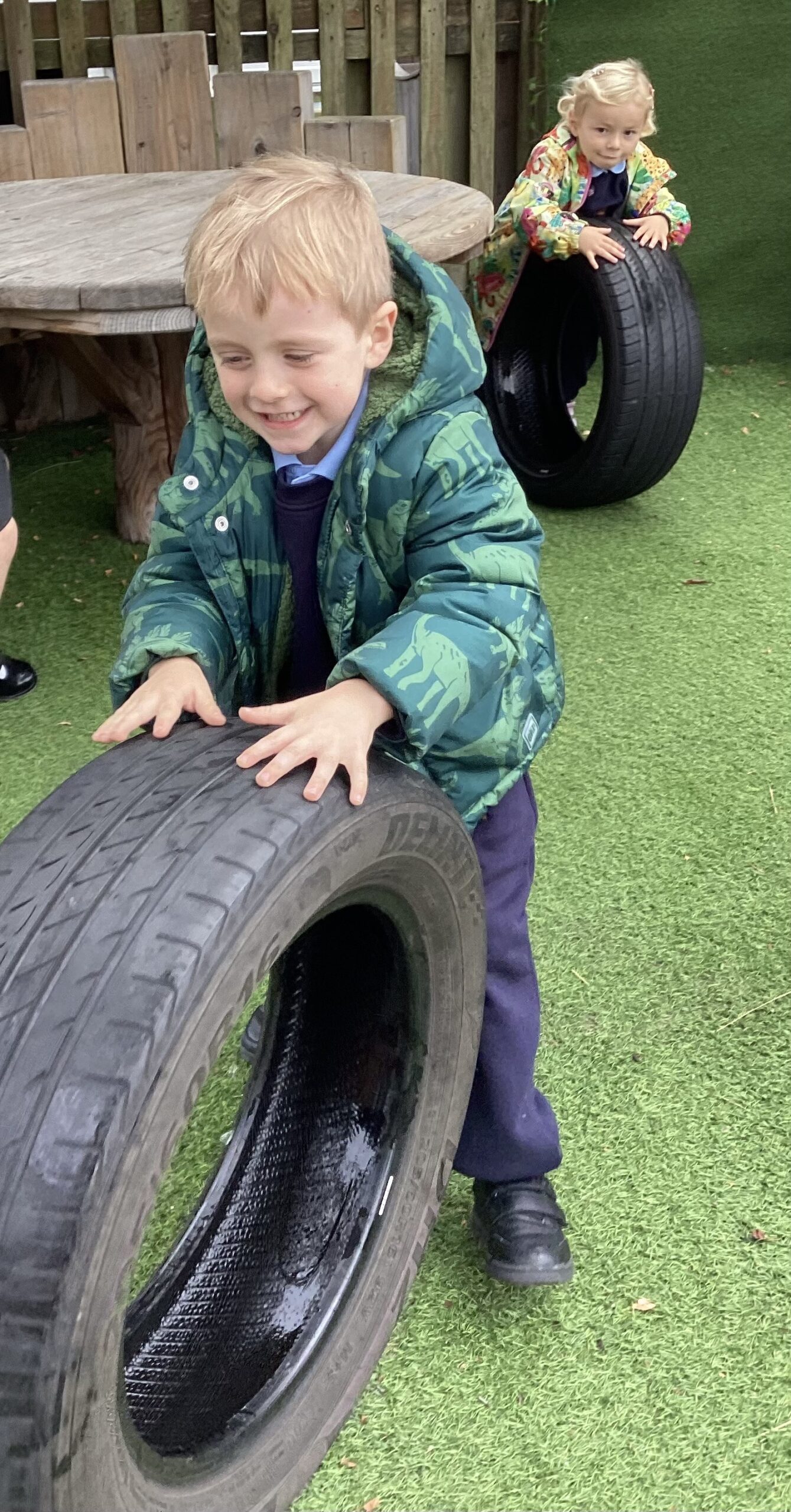
At Leamington, we believe that physical development is fundamental to children’s learning, independence, health and wellbeing. Our exciting indoor and outdoor environments provide children with endless opportunities to develop their gross and fine motor skills through both child-led exploration and carefully planned experiences.
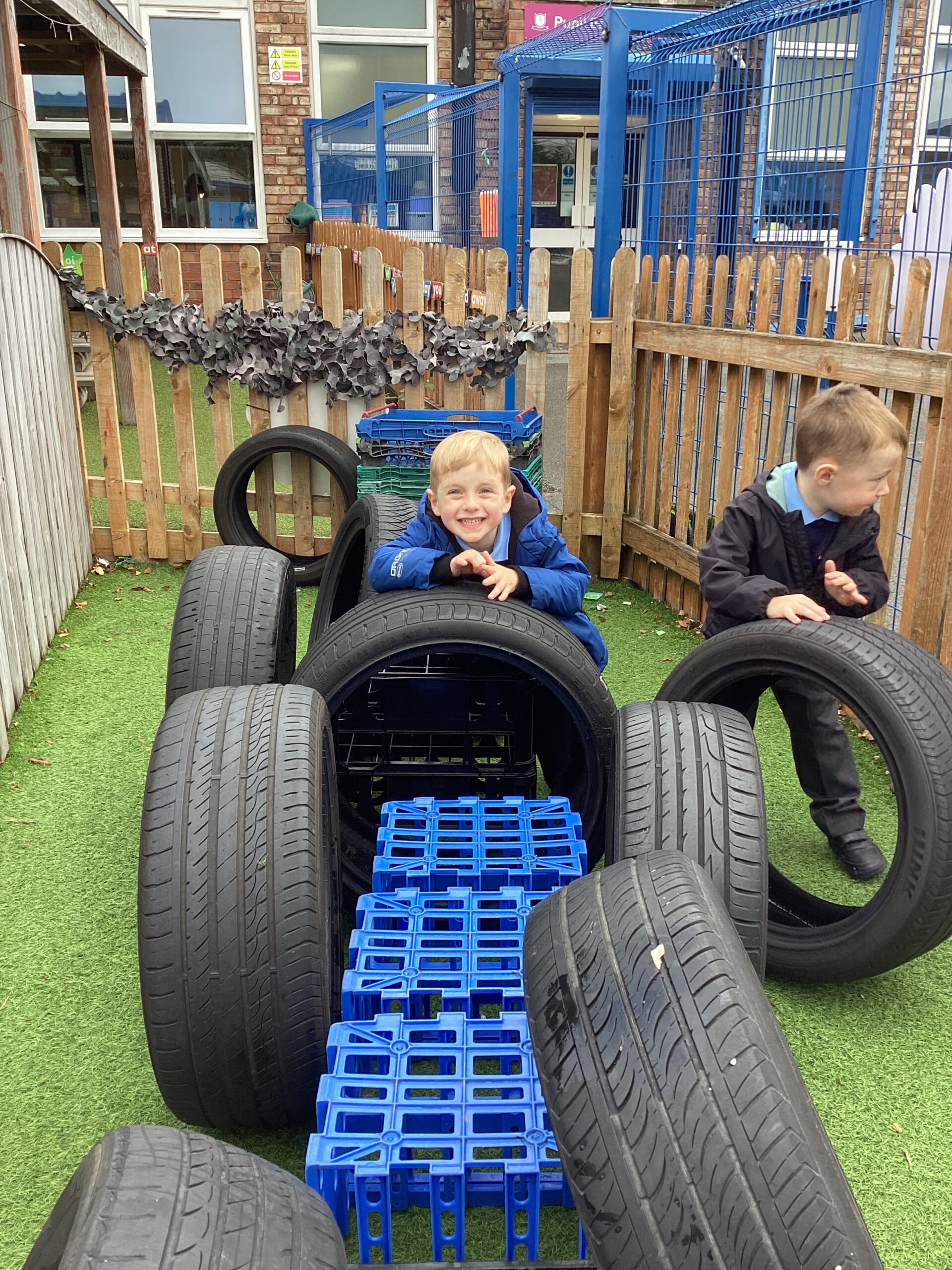
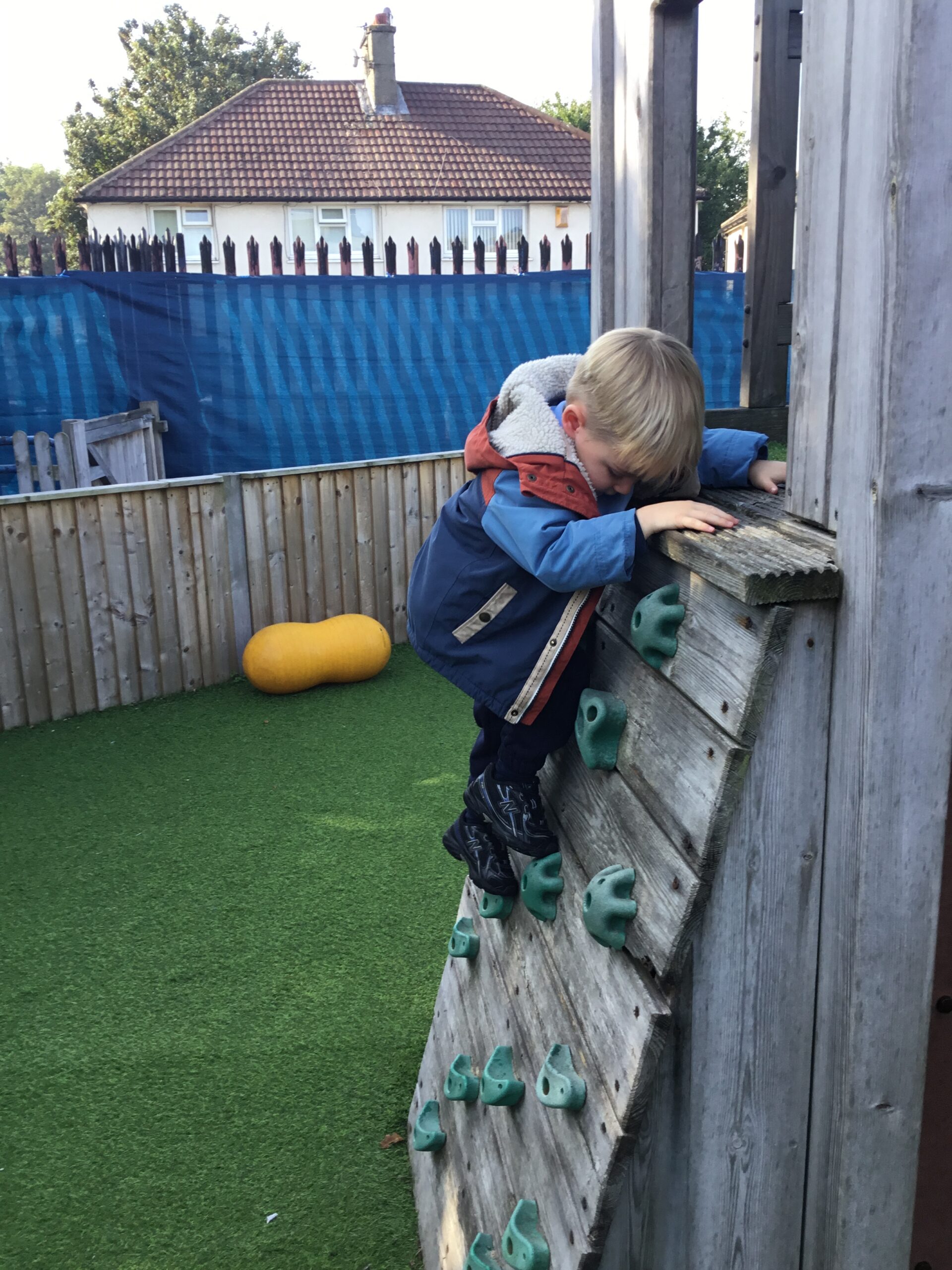
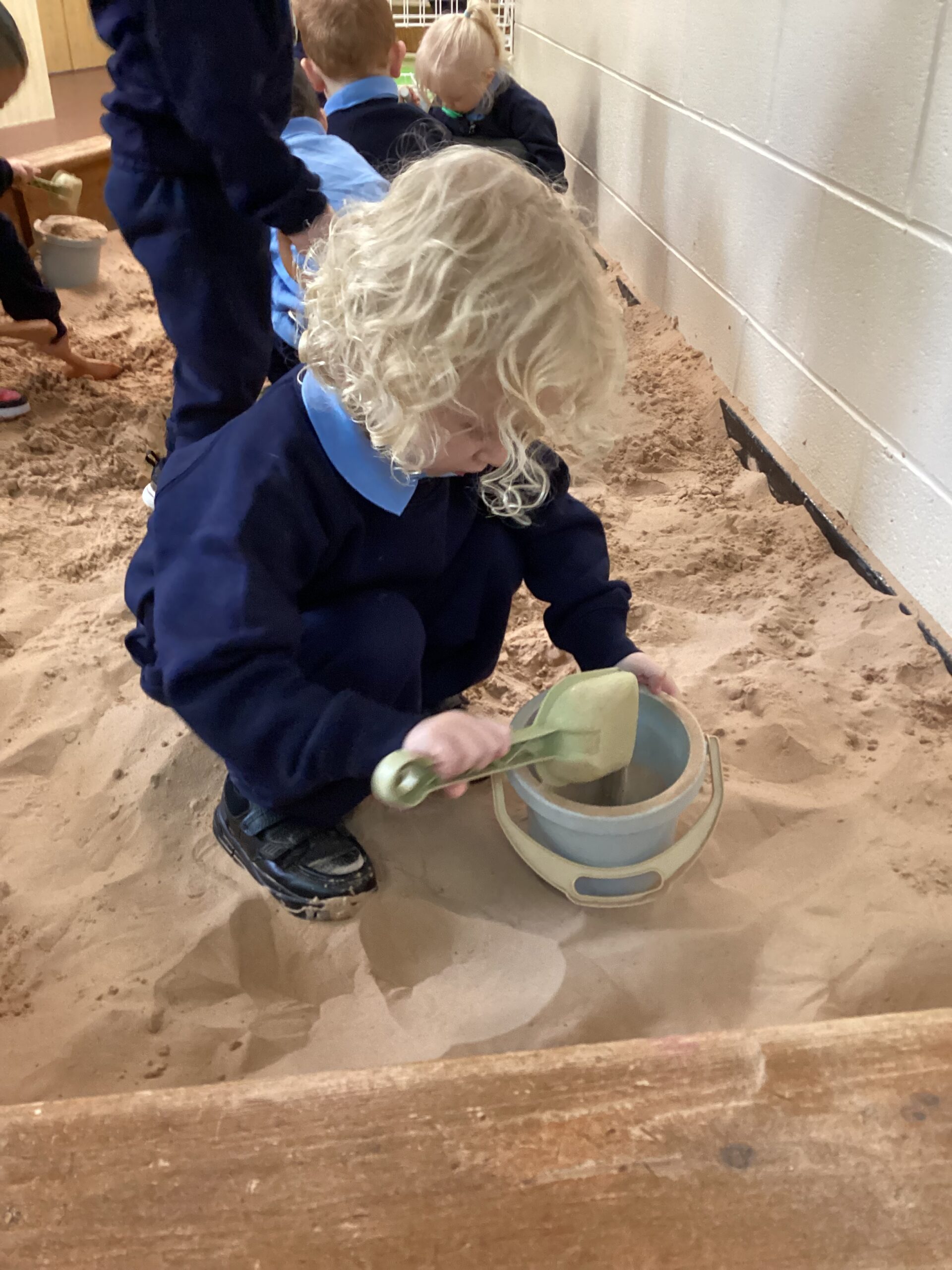
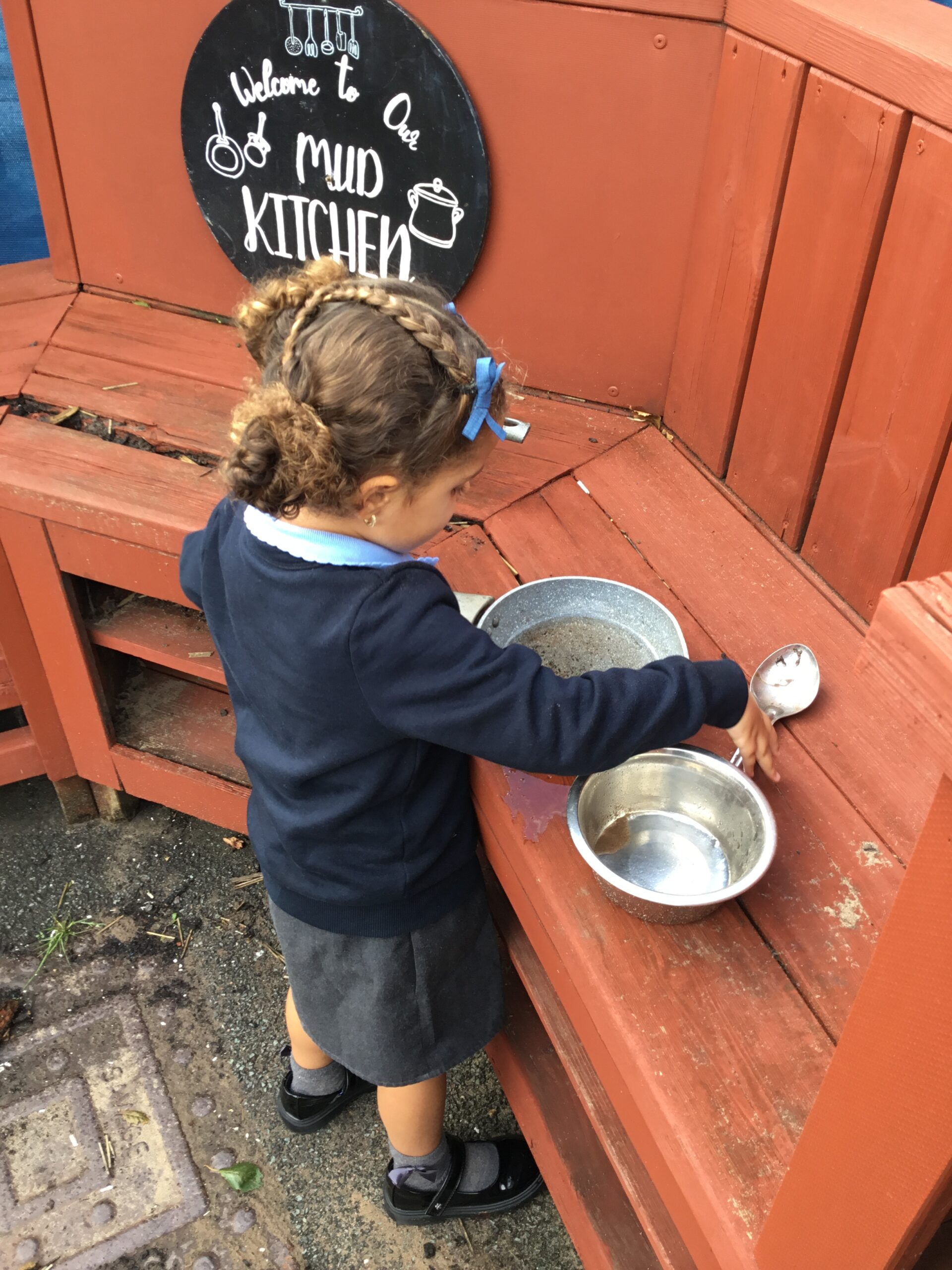
Nursery and Reception children have a large outdoor areas where they can develop their strength, balance and coordination through active play. Children build their core and upper-body strength using our climbing wall, monkey bars and water pump and develop balance and coordination on the beam, and enjoy digging, scooping and exploring in our mud kitchen and sand den. These experiences encourage children to take physical risks, challenge themselves and develop confidence in what their bodies can do.
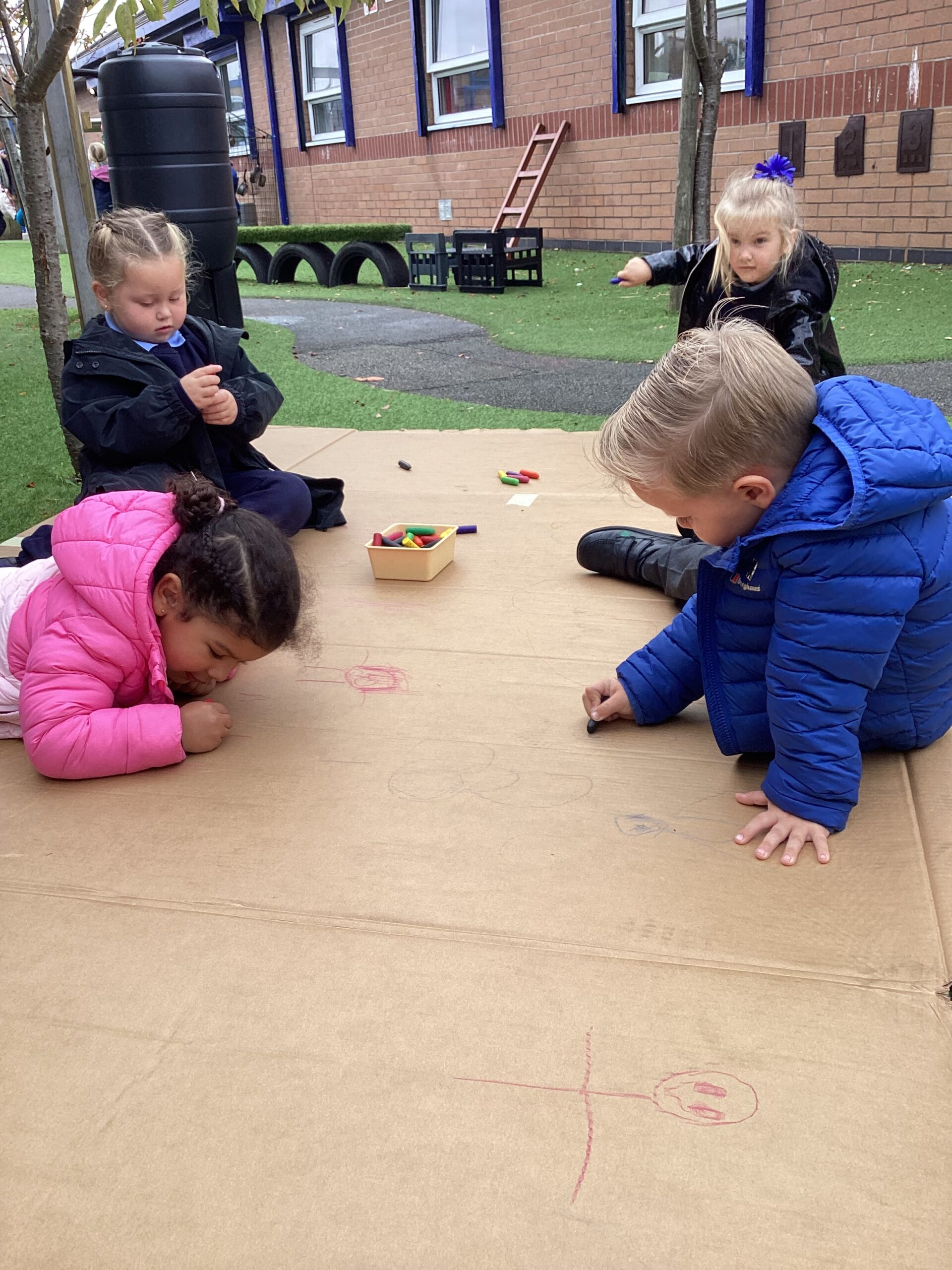
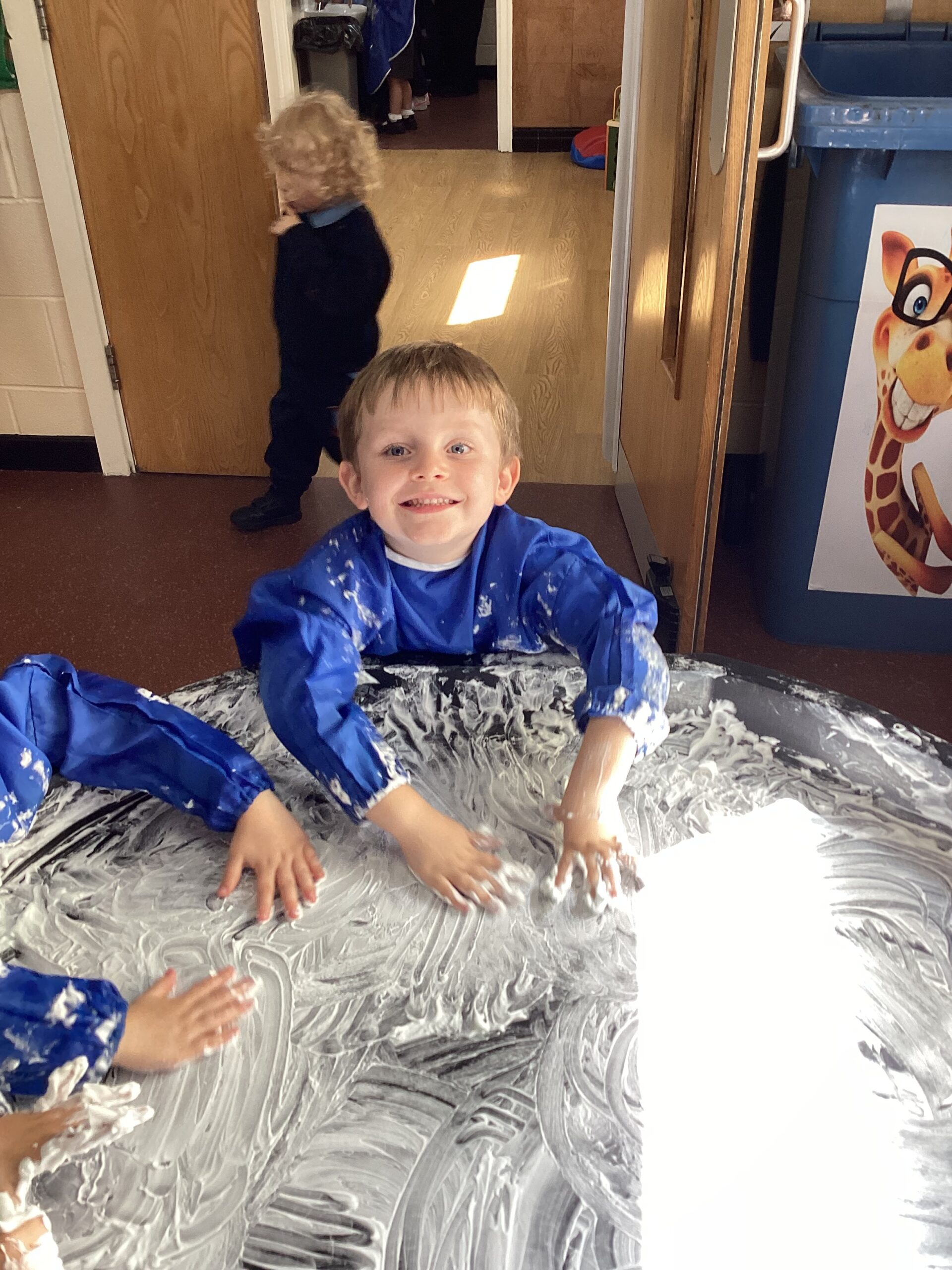
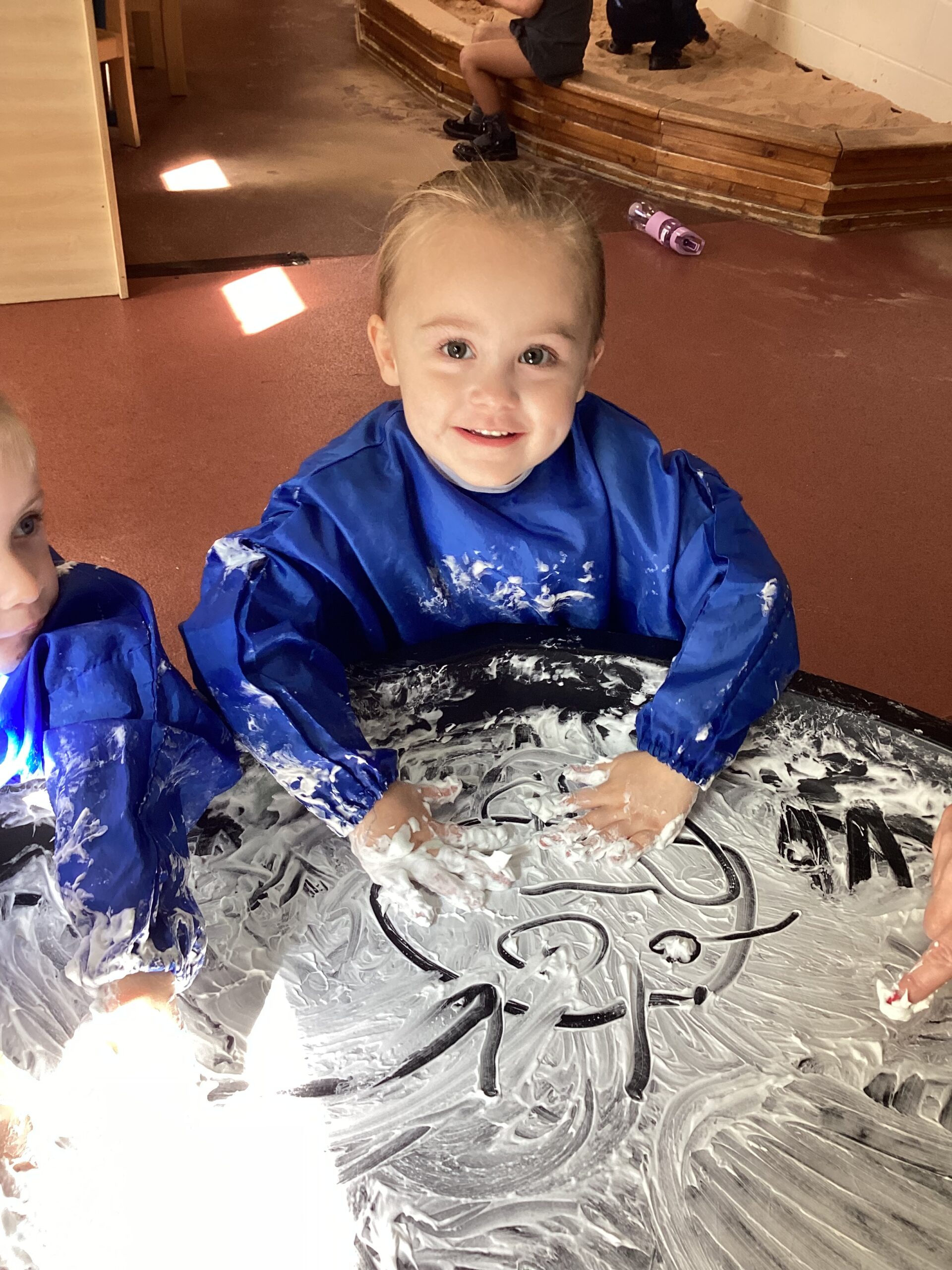
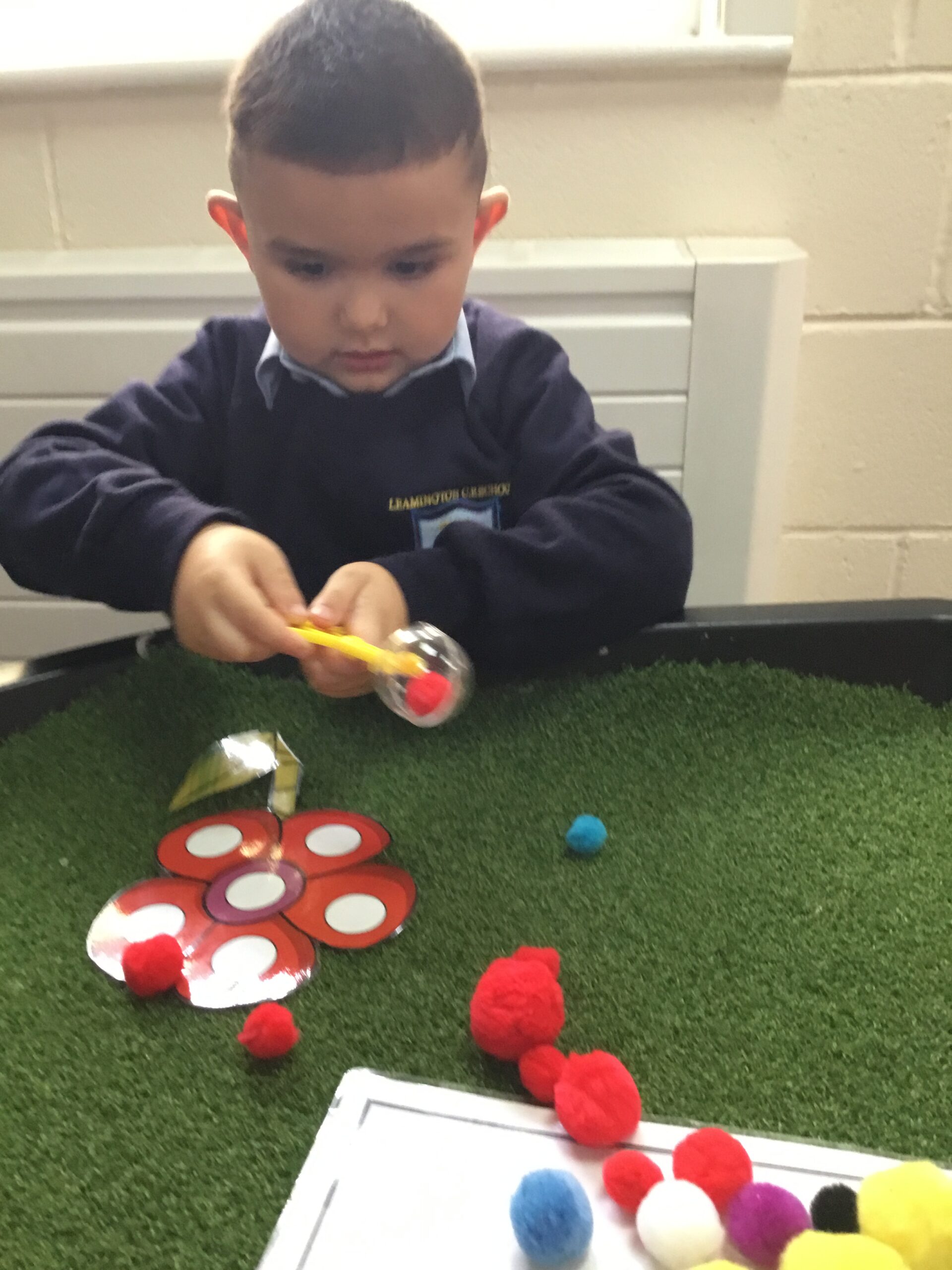
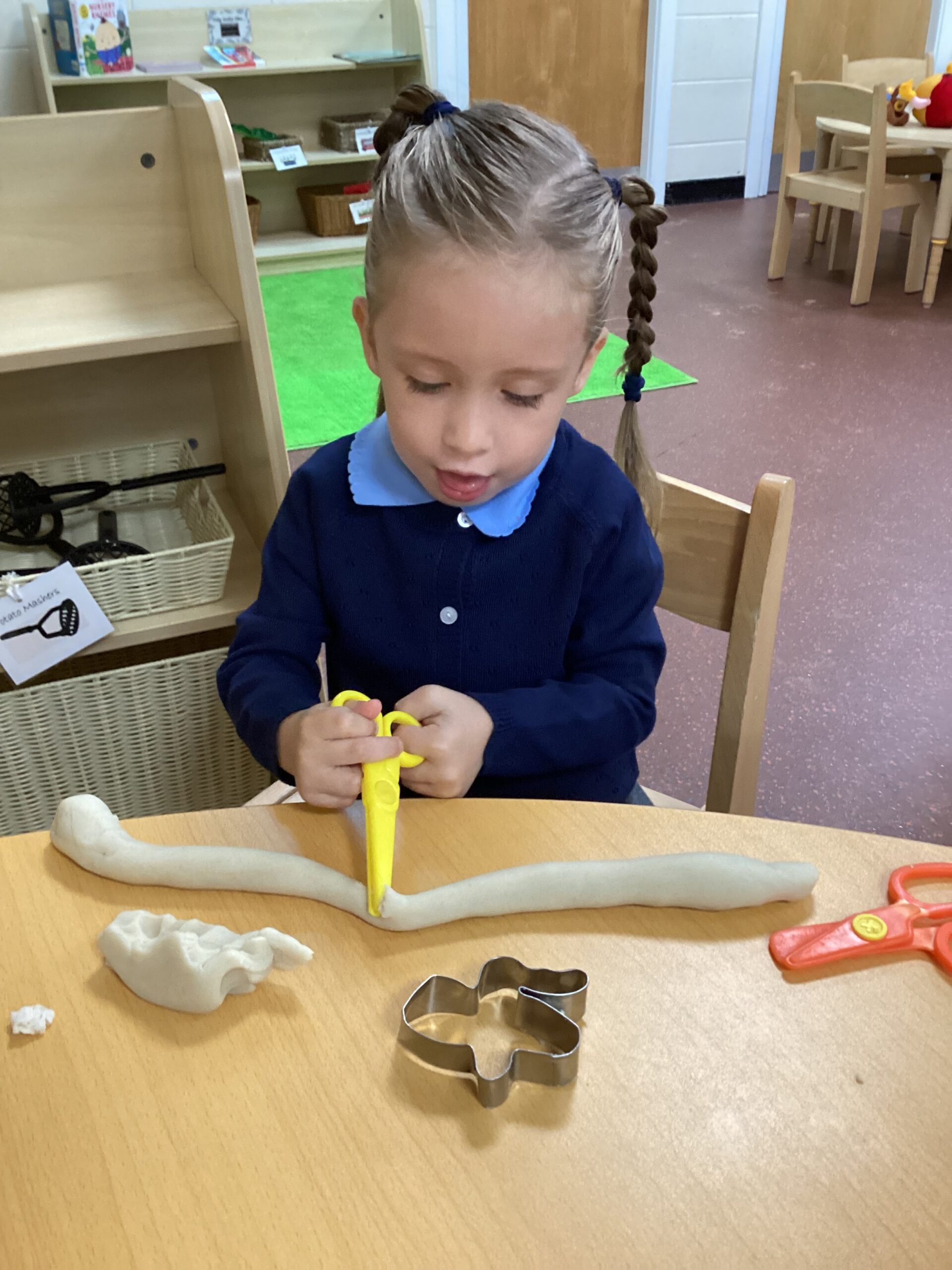
Alongside these larger physical experiences, we provide many opportunities to strengthen the hands and fingers and develop the fine motor control needed for everyday independence and future writing. Children enjoy dough dancing, threading, construction, mark making and creative activities, developing their dexterity, hand strength and hand-eye coordination through purposeful and enjoyable play.
In Reception, children build on the physical skills developed in Nursery. We provide exciting weekly P.E. lessons where children develop strength, balance, coordination and control, while learning how to move safely and confidently in different ways. We also help children to develop healthy habits and understand the importance of being active and looking after their bodies.
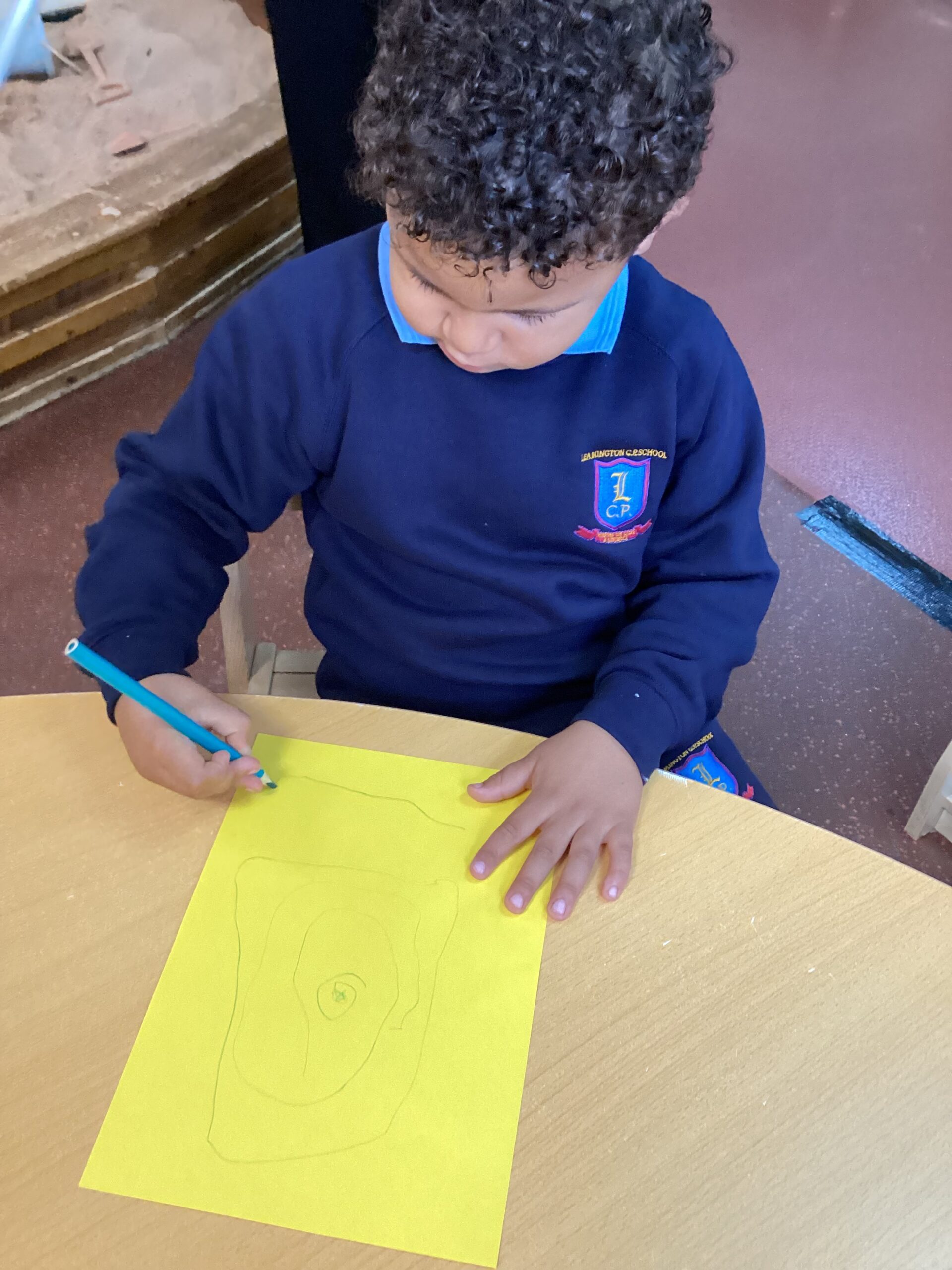
We love to mark make and write! Children are encouraged to develop their early writing skills throughout our provision, rather than only during adult-led activities. Our approach to the journey towards writing includes developing gross motor strength, bilateral coordination, crossing the midline, fine motor control, hand-eye coordination and dexterity. These skills provide children with the physical foundations they need to become increasingly confident and fluent writers.
Most importantly, we want our children to develop a love of being active, confidence in their physical abilities and the independence to manage their own physical needs as they grow.
By the end of Reception children should:
- Negotiate space and obstacles safely, with consideration for themselves and others. Demonstrate strength, balance and coordination when playing. Move energetically, such as running, jumping, dancing, hopping, skipping and climbing.
- Hold a pencil effectively in preparation for fluent writing – using the tripod grip in almost all cases. Use a range of small tools, including scissors, paint brushes and cutlery. Begin to show accuracy and care when drawing.
Building Language and Communication
In both Nursery and Reception, we use Concept Cat to introduce and explore a new concept each week. Through stories, play, practical experiences and conversations, children learn the meaning of new words and concepts and are encouraged to use them in different contexts. This helps us to continually develop, extend and deepen children’s understanding and use of language.
In Nursery, we use WellComm as part of our assessment and early identification of children’s speech, language and communication needs. This helps us to understand children’s starting points and identify where additional support may be beneficial.
WellComm is a speech and language screening and intervention toolkit for the Early Years. Children are screened regularly by trained members of our team, allowing us to monitor progress and identify children who may benefit from additional support. The results help us to plan appropriate next steps, whether this is through everyday classroom practice, targeted intervention or, where appropriate, seeking advice from specialist services.
Developing a Love of Reading and Writing
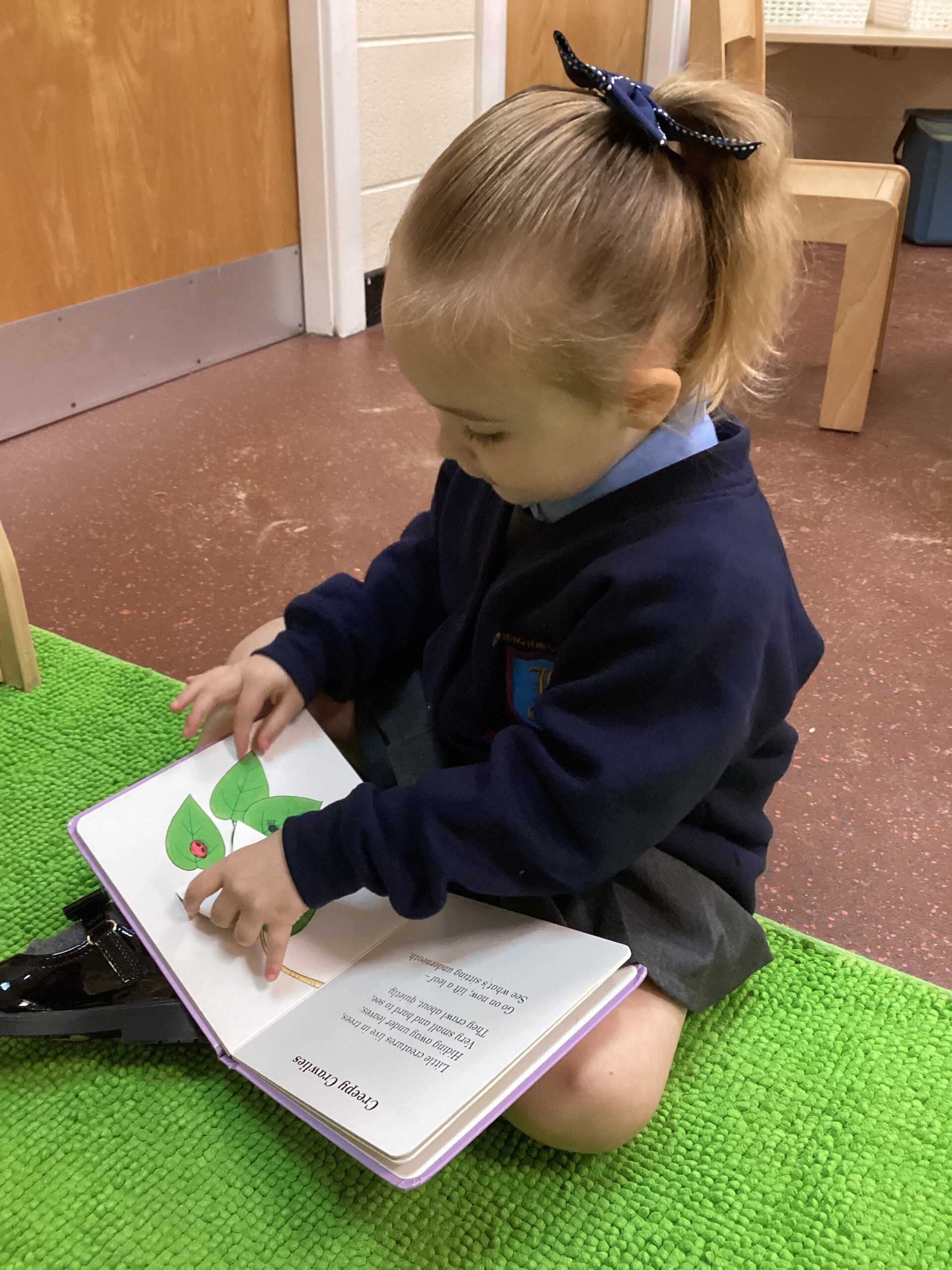
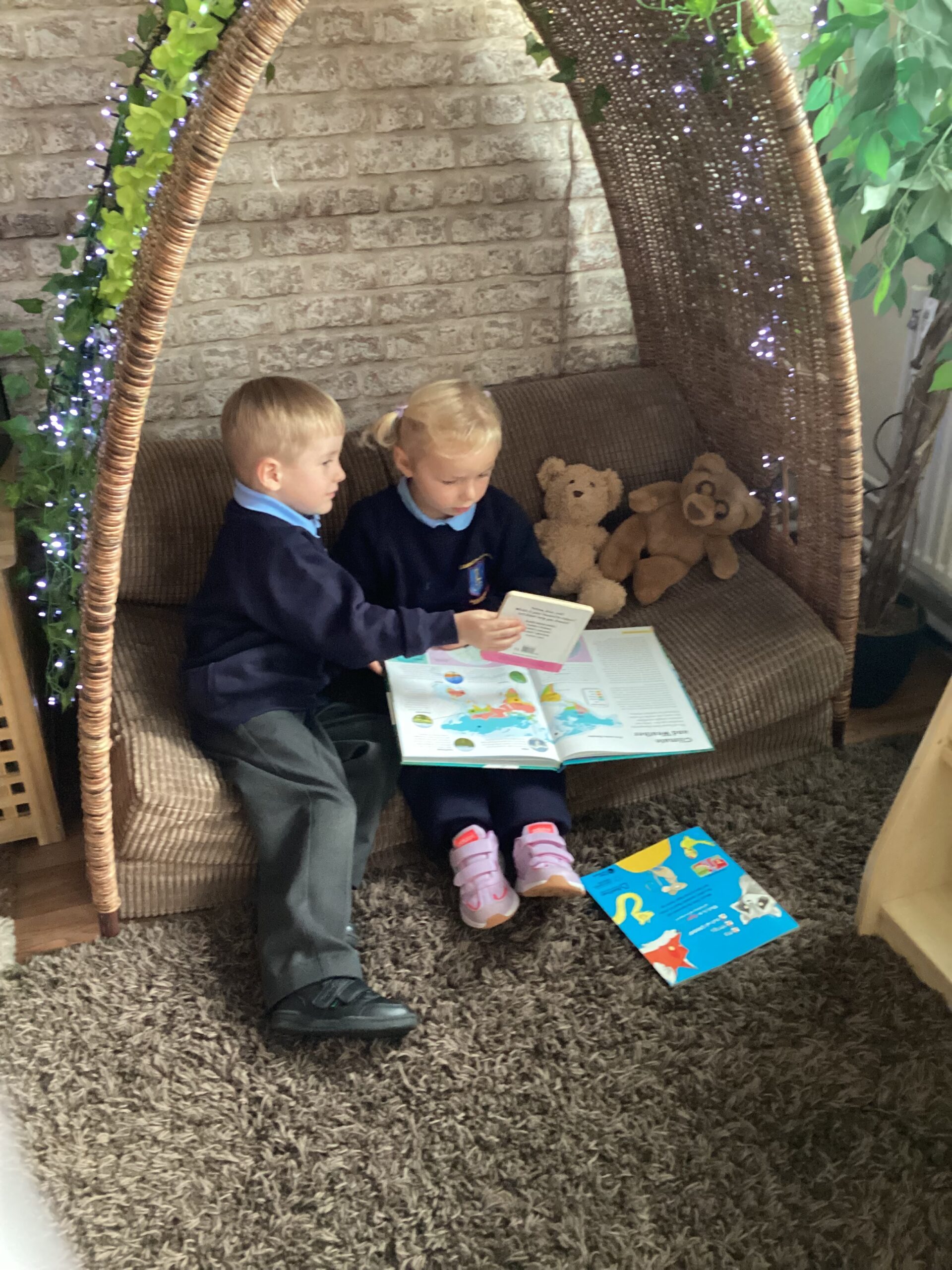
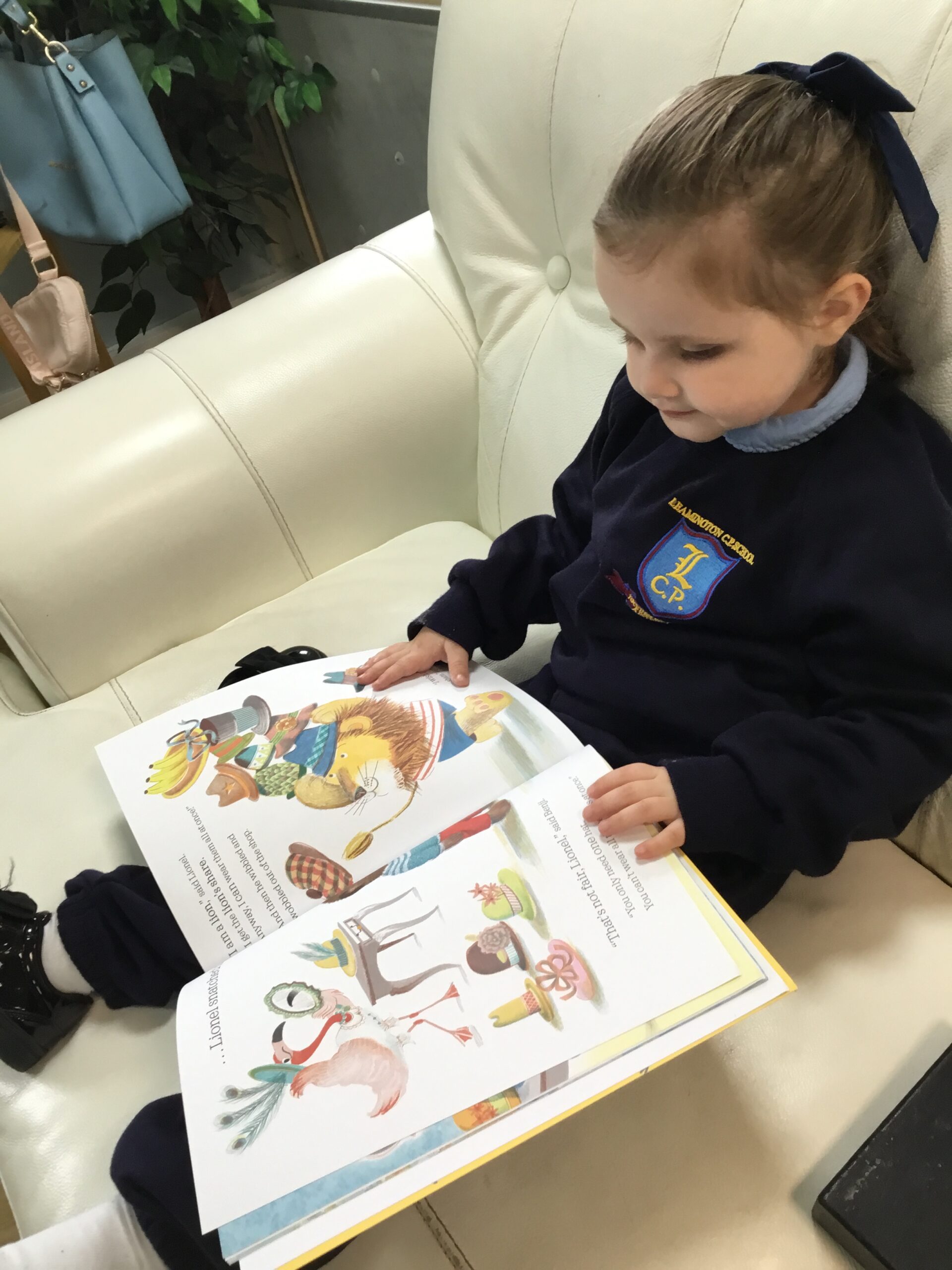
We want every child to develop a love of books, stories, rhymes and reading. Children enjoy daily opportunities to share stories, explore books, listen to rhymes and develop their understanding of characters, events and new vocabulary.
When children are ready, they begin Read Write Inc. Phonics in Nursery, which continues daily throughout Reception. We develop children’s understanding of sounds and letters and support them to blend sounds together to read words. Fred helps us to hear the sounds in words and we help him to put them together!
Writing begins long before children are expected to form letters. Throughout our provision, children have meaningful opportunities to mark make, draw, develop their ideas and write as part of their play. Our rich Story World experiences give children a genuine purpose for writing, whether they are making a shopping list, writing a message to a character, recording clues for PC Tramolinio or creating their own story.
We carefully develop the foundations for writing alongside phonics, supporting children’s vocabulary, comprehension, listening and attention, fine motor control and confidence as communicators.
By the end of Reception, it is expected that:
- Children will have a deep understanding of number to 10, including the composition of each number. Children will be able to subitise (recognise quantities without counting) up to 5. Automatically recall (without reference to rhymes, counting or other aids) number bonds up to 5 (including subtraction facts) and some number bonds to 10, including double facts.
- Children should be able to verbally count beyond 20, recognising the pattern of the counting system. Compare quantities up to 10 in different contexts, recognising when one quantity is greater than, less than or the same as the other quantity. Explore and represent patterns within numbers up to 10, including evens and odds, double facts and how quantities can be distributed equally.
Mathematics
We love being mathematicians!
At Leamington, we want children to develop a genuine curiosity and enjoyment of mathematics. We believe children learn best when they can explore mathematical ideas through practical, hands-on experiences, talk about their thinking and apply what they have learned to real-life situations.
Mathematics is woven throughout our daily routines, play and provision. Children are encouraged to notice and use mathematics in meaningful contexts, developing their confidence as problem-solvers, thinkers and mathematicians.
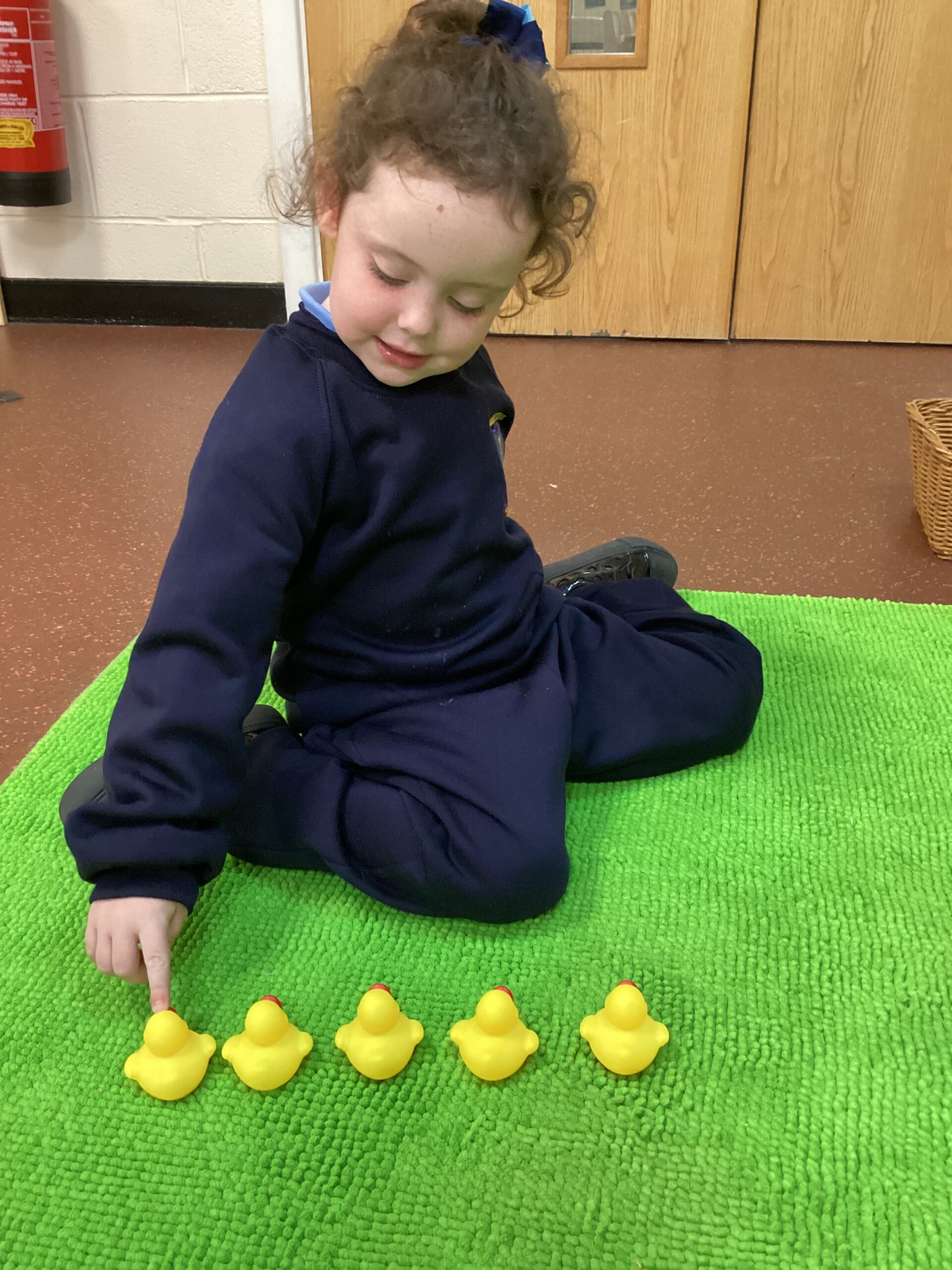
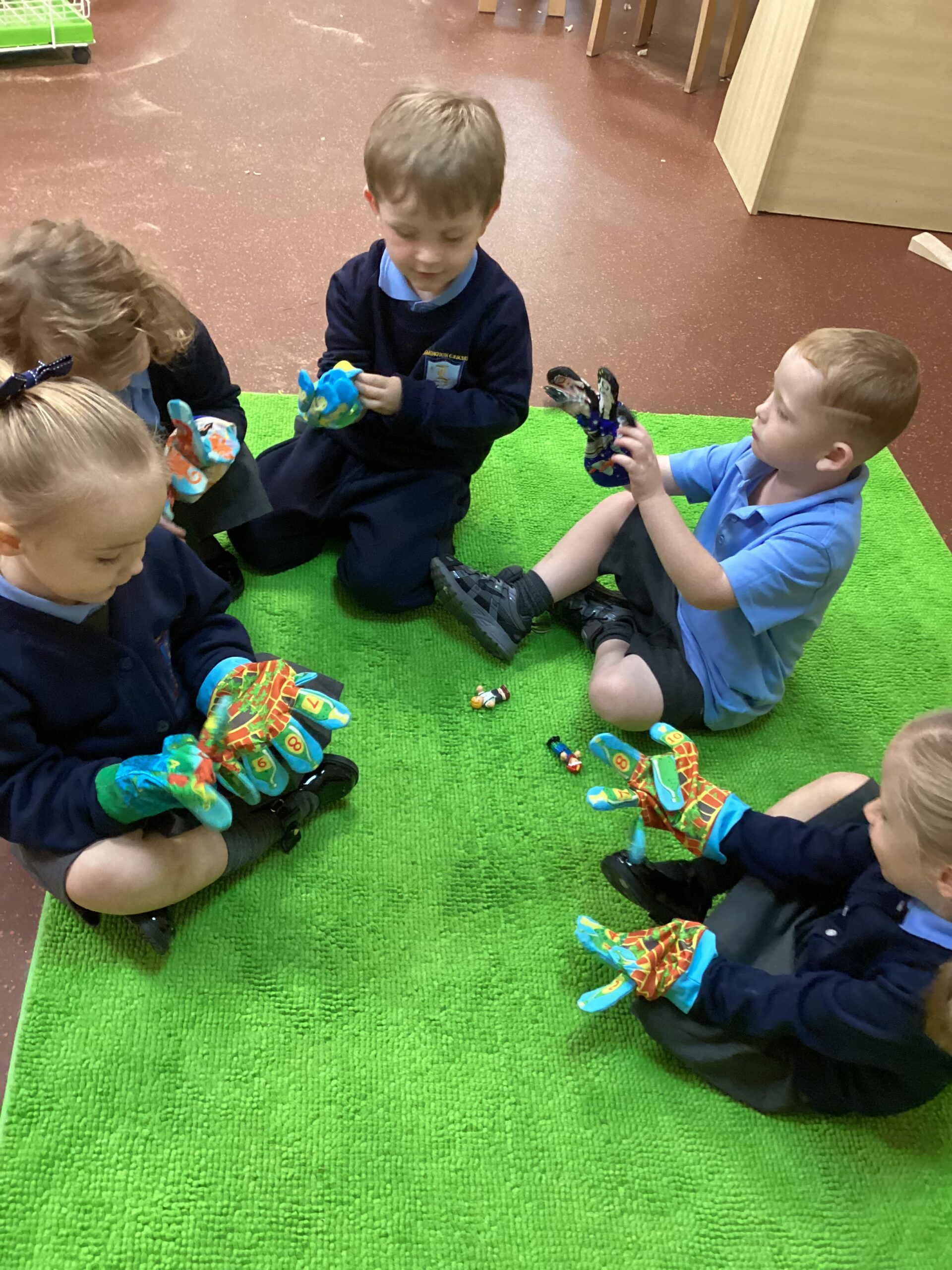
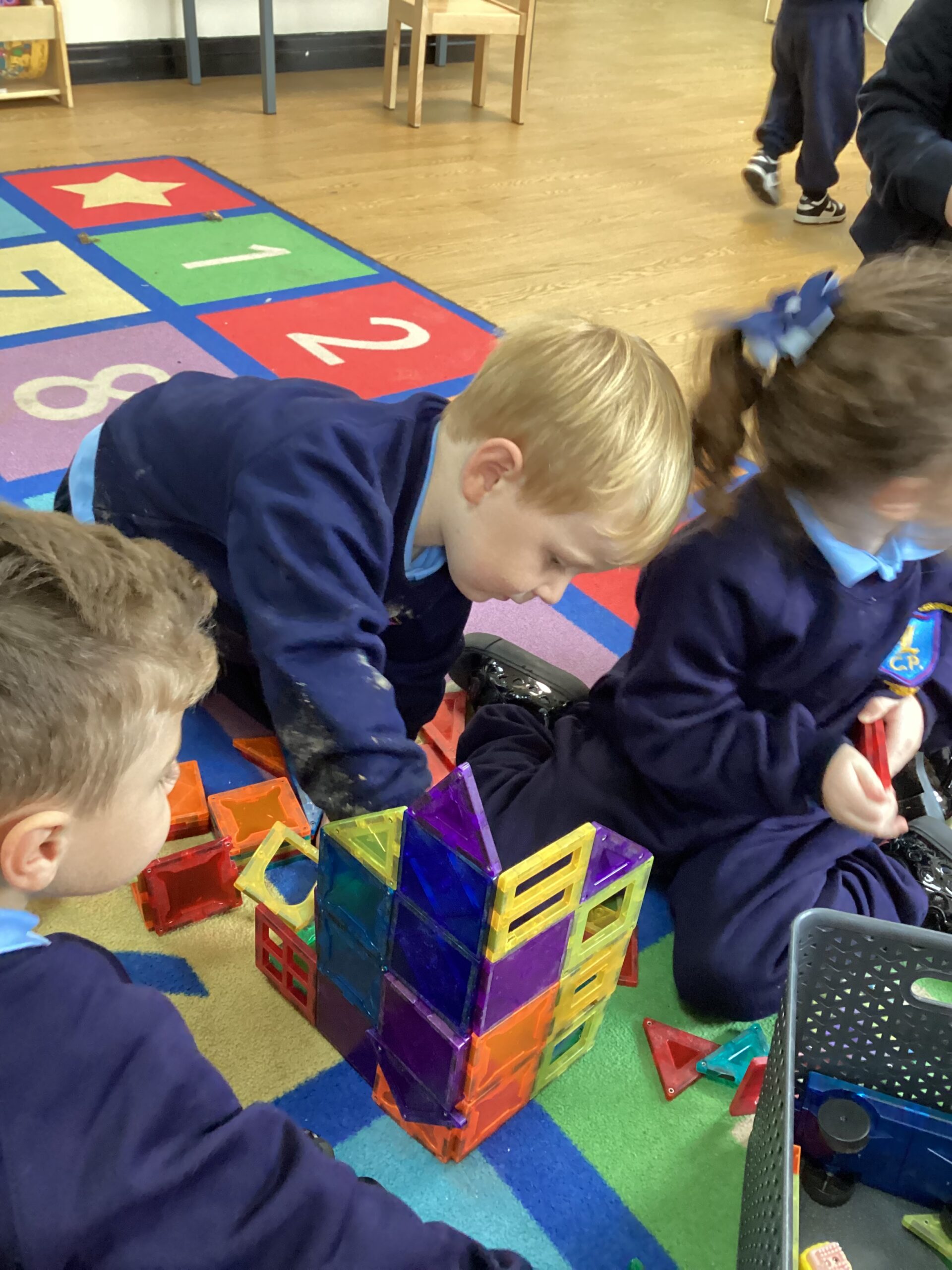
We explore mathematics in lots of fun and purposeful ways. When baking, we measure and compare; when playing shops, we explore money and quantities; at snack time, we practise counting and sharing equally; and when building with blocks and construction materials, we explore shape, space, pattern, size and symmetry. We encourage children to explain their thinking, make predictions, find solutions and try different approaches.
In Nursery, children develop the foundations of mathematical understanding through play, exploration, songs, stories, routines and everyday experiences. Adults model mathematical language and help children notice number, shape, space, measure and pattern in their environment.
Our Nursery teacher is currently undertaking the Nurturing Young Mathematicians course. This professional development is supporting us to strengthen our understanding of how young children develop mathematical thinking. The good practice, strategies and approaches gained through the course will be embedded within our Nursery provision, helping us to provide rich opportunities for children to develop their mathematical understanding through meaningful play and interactions.
In Reception, children build on the mathematical knowledge and experiences developed in Nursery. They take part in a daily Maths lesson, where mathematical concepts are introduced, explored and revisited through practical experiences, discussion and carefully planned activities.
Children are encouraged to use concrete resources, visual representations and their own mathematical thinking to develop a secure understanding of number. This learning is then reinforced throughout the day as children apply their mathematical knowledge independently within our continuous provision and everyday experiences.
We want our children to leave Reception as confident and curious mathematicians who can use their mathematical knowledge to solve problems, explain their thinking and recognise the mathematics they encounter in the world around them.
By the end of Reception, it is expected that:
- Children will have a deep understanding of number to 10, including the composition of each number. Children will be able to subitise (recognise quantities without counting) up to 5. Automatically recall (without reference to rhymes, counting or other aids) number bonds up to 5 (including subtraction facts) and some number bonds to 10, including double facts.
- Children should be able to verbally count beyond 20, recognising the pattern of the counting system. Compare quantities up to 10 in different contexts, recognising when one quantity is greater than, less than or the same as the other quantity. Explore and represent patterns within numbers up to 10, including evens and odds, double facts and how quantities can be distributed equally.
Understanding the World
Our world is full of wonderful things to discover!
At Leamington, we encourage children to be curious about the world around them and to ask questions about the people, places, animals and environments they encounter. We want our children to understand that everyone has their own story to share and that every person, family and community is unique and special.
We help children to develop an understanding of the world through first-hand experiences, stories, discussion, exploration and investigation. Our indoor and outdoor provision provides endless opportunities for children to observe, question, test ideas, solve problems and make discoveries.
We become geographers as we explore our school and the local area. Children learn about the places that are familiar to them. We love following maps to search for hidden treasures and creating our own maps as we explore!
We also learn about our responsibility to care for our environment. Children develop an understanding of the importance of looking after our planet, including reducing waste, reusing resources and recycling. Through everyday experiences, we encourage children to notice and appreciate the natural world and consider how we can help to protect it.
We all have our own stories, experiences and traditions. We celebrate diversity, different cultures, religions and traditions, encouraging children to talk about their own experiences and learn about the experiences of others.
Through stories, celebrations, visitors, role-play and real-life experiences, children develop an understanding of similarities and differences between people and communities. We encourage children to ask questions, listen respectfully and recognise that our differences are something to celebrate.
We become super scientists as we explore, investigate and make discoveries throughout our provision. Children are encouraged to be curious, make predictions, test their ideas and talk about what they notice.
Humpty Dumpty couldn’t thank us enough when we investigated different materials to discover which would best protect his shell! Experiences like these encourage children to think critically, solve problems and begin to understand why things happen.
We also explore growth and change by observing ourselves, plants and animals. Watching chicks, ducks and butterflies develop and change provides children with exciting opportunities to observe living things and talk about what they notice. We explore the seasons and investigate changes in the natural world, developing children’s understanding through first-hand experiences.
Children begin to develop an understanding of past and present by thinking about their own lives and experiences. We love looking back at children’s learning journeys and talking about how they have changed and grown.
Children consider what they could do when they were younger and what they can do now, helping them to understand the concept of change over time. Through stories, photographs, familiar experiences and discussions, we also introduce children to significant people, events and places from the past.
By the end of Reception, it is expected that:
- Children can talk about the lives of the people around them and their roles in society. Know some similarities and differences between things in the past and now, drawing on their experiences and what has been read in class. Understand the past through settings, characters and events encountered in books read in class and storytelling.
- Children should be able to describe their immediate environment using knowledge from observation, discussion, stories, non-fiction texts and maps. Know some similarities and differences between different religious and cultural communities in this country, drawing on their experiences and what has been read in class. Explain some similarities and differences between life in this country and life in other countries, drawing on knowledge from stories, non-fiction texts and when appropriate maps.
- Children can explore the natural world around them, making observations and drawing pictures of animals and plants. Know some similarities and differences between the natural world around them and contrasting environments, drawing on their experiences and what has been read in class. Understand some important processes and changes in the natural world around them, including the seasons and changing states of matter.
Expressive Arts and Design
Our minds are like little stars, shining brightly with ideas!
At Leamington, we want children to be creative, curious and confident in expressing themselves. Our environments provide endless opportunities for children to use their imagination, explore ideas and turn their thoughts into something they can share with others.
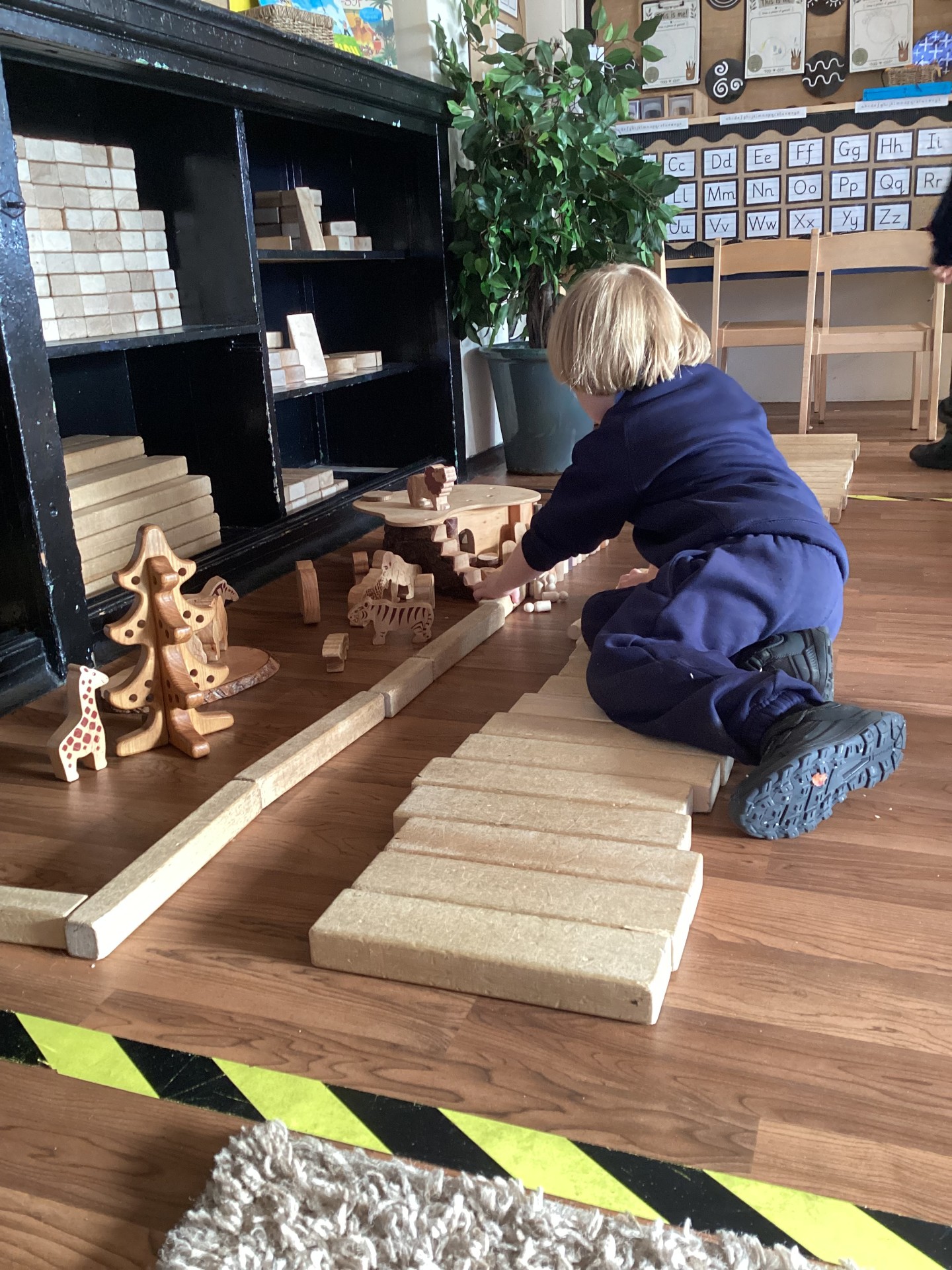
Every day, children create, imagine and invent through our provision. A pile of blocks can become a castle, crates can become a bus, the role-play area can transport us to another world and a piece of paper can become the beginning of a wonderful story. We value children’s ideas and give them the freedom to explore their creativity in their own unique ways.
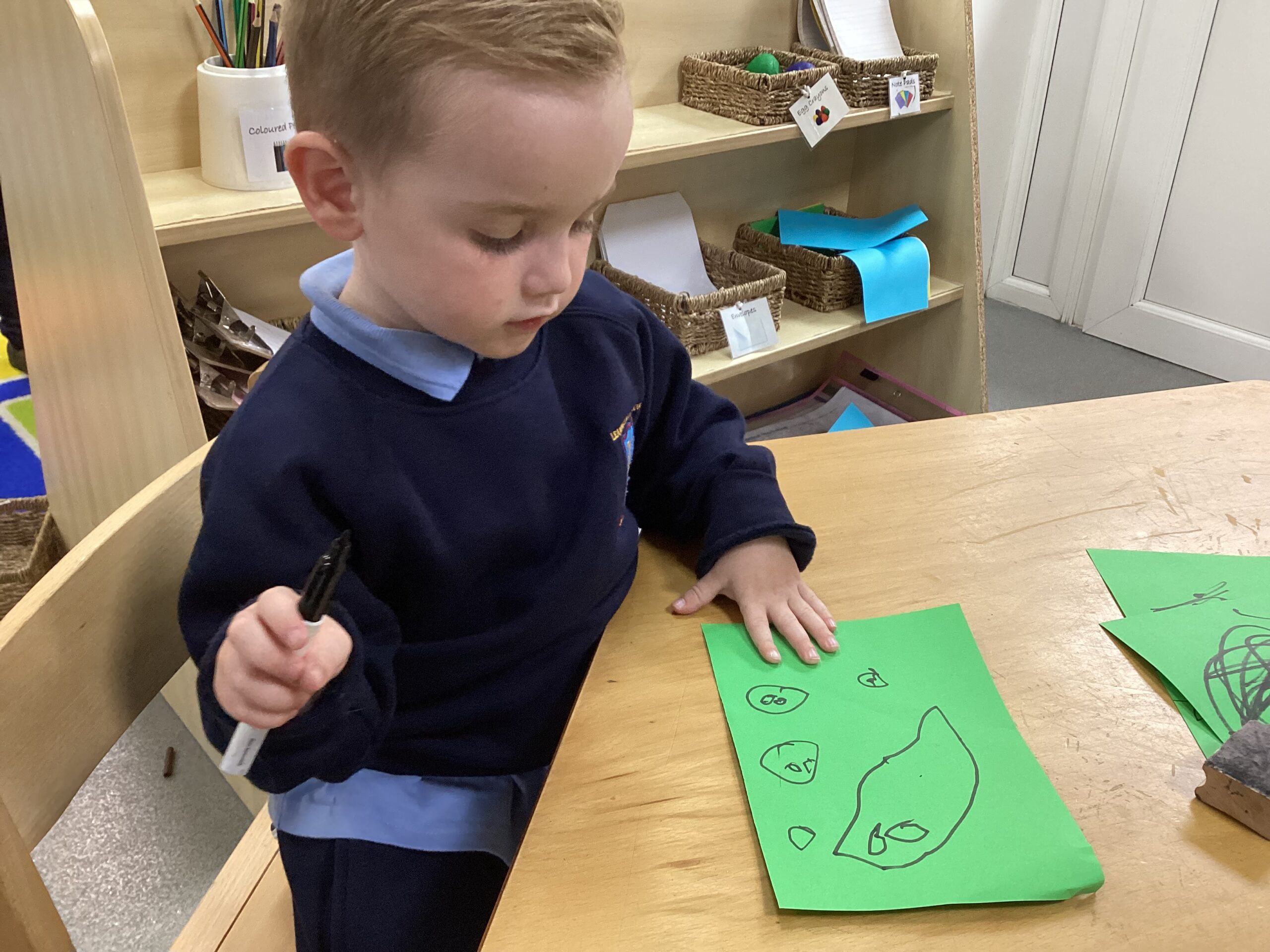
Children are encouraged to express themselves through a wide range of creative materials, tools and techniques, including drawing, painting, printing, collage, model making and construction. We encourage children to experiment with colour, texture, shape and form, while developing the skills and confidence to make their own creative choices.
Our creativity goes far beyond making pictures! Children have opportunities to explore music, singing, dance, movement, drama and storytelling. They enjoy experimenting with instruments, joining in with familiar songs and rhymes, creating their own music and responding to different types of music through movement.
Through role play and storytelling, children develop their imagination and learn to invent and recreate characters, events and narratives. Our Story World experiences provide particularly exciting opportunities for children to become characters, act out stories and develop their own ideas.
Most importantly, we want children to understand that there is no single right way to be creative. We celebrate their individual ideas, encourage them to experiment and give them the freedom to discover what they can create.
The expectation by the end of Reception is:
- Children will safely use and explore a variety of materials, tools and techniques, experimenting with colour, design, texture, form and function. Share their creations, explaining the process they have used. Make use of props and materials when role playing characters in narratives and stories.
- Children will be able to invent, adapt and recount narratives and stories with peers and their teacher. Sing a range of well-known nursery rhymes and songs. Perform songs, rhymes, poems and stories with others, and when appropriate try to move in time with music.
Reception Baseline assessment
All Reception children will be participating in the reception baseline assessment (RBA) within the first 6 weeks of starting reception. The purpose of the assessment is to provide the starting point for a progress measure that will help parents understand how well schools support their pupils to progress between reception and year 6. For more information please visit https://www.gov.uk/government/publications/reception-baseline-assessment-information-for-parents/reception-baseline-assessment-information-for-parents
In the final term of the Reception year, teachers complete an assessment known as the EYFS Profile for each child. The Profile is a quick check of your child’s learning, which will be shared with you.
Take a look:
Important documents: