
Green Zone

What is the Green Zone?
The Green Zone describes a settled state in which we may feel calm, comfortable, content or focused. Our energy may feel well suited to what we are doing. Children in the Green Zone may feel ready to learn, play or connect with others. However, children can learn and participate in other Zones too. Being in Green does not mean a child must be happy all the time.
All Zones are okay. Our aim is to help children understand their feelings and meet their needs, rather than stay in the Green Zone throughout the day.
How might your child feel in the Green Zone?
Your child might feel:
- Calm or peaceful.
- Comfortable and settled.
- Content or happy.
- Interested and focused.
- Connected to the people around them.
Every child experiences and expresses feelings differently. Being quiet or following instructions does not necessarily mean a child feels settled inside. We encourage children to tell us how they feel in a way that works for them.
How do we support children’s wellbeing in school?
We help children recognise their feelings, communicate their needs and explore strategies that support them across all Zones. Opportunities may include:
- Movement and sensory breaks suited to individual needs.
- Access to quieter spaces when needed.
- PSHE lessons and conversations about emotions.
- Supportive relationships and check-ins with trusted adults.
- Mindfulness or breathing activities offered as choices.
- Opportunities to talk, listen and build friendships.
- Predictable routines and support with changes.
- Physical activity, outdoor play and creative experiences.
- Encouragement to recognise when they need rest, food, water or help.
We help children practise strategies when they feel settled, so these become familiar when feelings change. Adults also model how they recognise and care for their own emotions.
How can you support your child at home?
Everyday routines and positive relationships can help children feel secure. You could:
- Make time to connect: talk, play, read or enjoy an activity together.
- Prepare for the day: organise school clothes and bags together and explain upcoming changes.
- Balance activity and rest: include movement, outdoor play and opportunities to unwind.
- Support physical needs: offer regular meals, water and a consistent bedtime routine with enough sleep for your child’s age.
- Make space for enjoyment: encourage hobbies, creativity and time with people they trust.
- Offer choices: explore whether music, drawing, stretching or quiet time feels helpful.
- Keep conversations about feelings open: check in during settled moments as well as difficult ones.
You might ask:
“What helps you feel comfortable?”
“What does your body need at the moment?”
“Would you like some company or a little quiet time?”
There is no need to use a strategy if your child already feels comfortable. The aim is to build awareness and offer support when it is needed.
Stories to share at home
Sharing books can help children explore feelings and understand that emotions change.
- Augustus and His Smile by Catherine Rayner — a story about discovering enjoyment in the world around us.
- The Jar of Happiness by Ailsa Burrows — a story exploring happiness and connection.
- Tough Guys (Have Feelings Too) by Keith Negley — a reminder that everyone experiences a range of emotions.
Read together and give your child space to talk, draw or simply listen. There are no right or wrong feelings to have in response to a story.
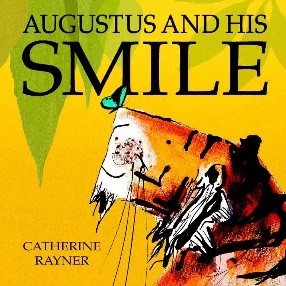
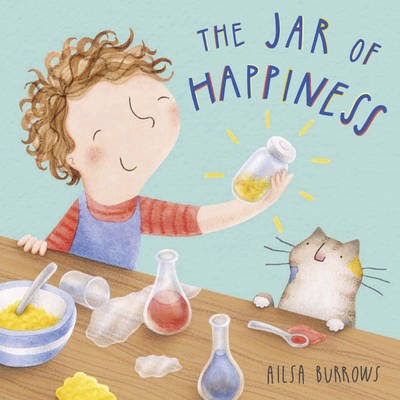

Storytime for kids Augustus and his Smile by Catherine Rayner – Bing video
The Jar of Happiness – YouTube
Tough Guys (Have feelings too) – YouTube
Feeling settled is one part of wellbeing. Feeling safe to express every emotion and ask for support matters in every Zone.