
Our School
Online Safety at Leamington
At Leamington Community Primary School, we want every child to enjoy the opportunities technology offers while learning how to stay safe, confident and responsible online. Technology helps children learn, create, communicate and explore. Working together, school and families can help children recognise risks, make safer choices and know where to turn for help. We introduce and revisit our online safety rules at the beginning of the school year and reinforce these messages through learning and discussions. Children are supported to understand our acceptable use agreement and what safe, respectful behaviour looks like when using school technology.
Our approach encourages children to:
- Protect their personal information and privacy.
- Treat others with kindness and respect.
- Recognise unsafe contact, inappropriate content and online pressure.
- Question whether information, images and videos are trustworthy.
- Balance time online with sleep, exercise, friendships and other activities.
- Tell a trusted adult whenever something feels worrying, upsetting or confusing.
Children should always feel able to ask for help, even if they have made a mistake or broken an online safety rule.
Reviewing our online safety provision
We use the 360 degree safe self-review tool to help us review and develop our online safety practice.
You can find our Computing and Online Safety information and related safeguarding policies on our school policies page.
Worried about something online?
If an online incident affects your child’s safety or wellbeing, please speak to their class teacher or ask the school office to contact a member of our safeguarding team.
If a child is in immediate danger, call 999. Do not wait for a response from school or an online reporting service.
The following services can help:
- Online sexual abuse or grooming: Visit the CEOP Safety Centre to report concerns about suspected online sexual abuse or grooming.
- Harmful posts, messages or videos: Use the app or website’s reporting tools. Report Harmful Content explains how to report problems across different platforms.
- Concerns about a child’s safety or welfare: Contact the NSPCC Helpline on 0808 800 5000. Check its website for current opening hours and contact options.
If your child tells you something worrying, stay calm, listen and reassure them that telling you was the right thing to do. Avoid blaming them. Keep relevant usernames, dates and message details where safe to do so.
Helping your child stay safer at home
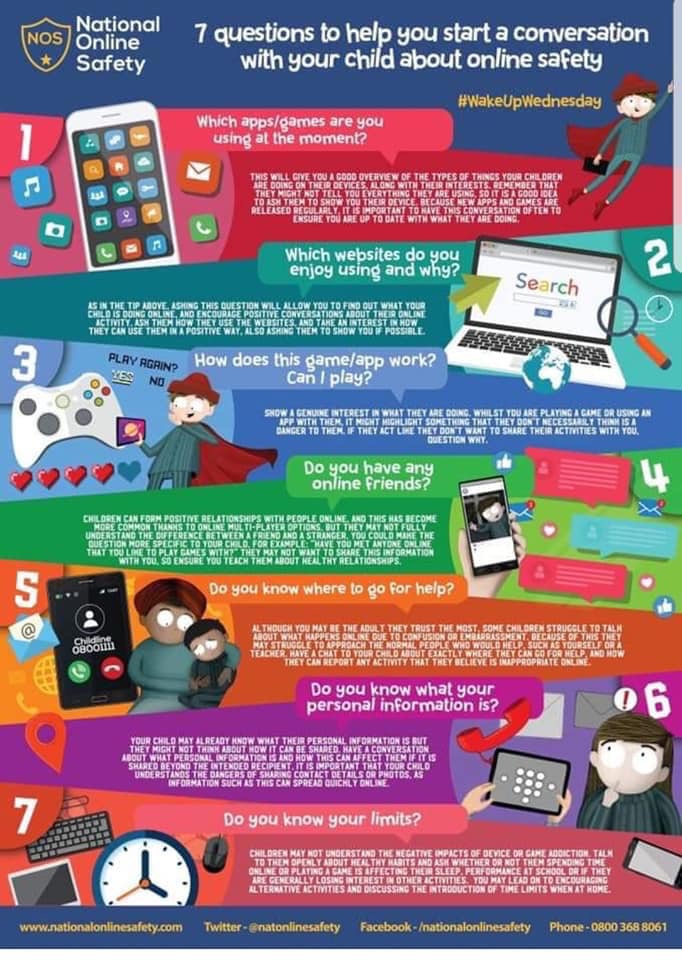
Regular conversations are one of the most useful ways to support your child online. Ask what they enjoy, who they communicate with and what they would do if something went wrong.
You could ask:
- “What have you enjoyed playing or watching?”
- “Who can contact you on this game or app?”
- “Have you seen anything that made you uncomfortable?”
- “What would you do if someone asked you to keep a secret?”
- “Who could you ask for help?”
Explore new games and apps together, check their age requirements and content ratings, and agree clear family boundaries.
Parental controls and privacy settings
Parental controls can help manage content, contact, spending and time online. They work best alongside supervision and open conversations.
Use the Internet Matters parental controls and privacy guides for step-by-step instructions covering:
- iPhones and iPads: Manage content, purchases, privacy and screen time.
- Android devices: Explore family settings and controls.
- Home broadband: Set up filters for devices connected to your home Wi-Fi.
- Games and consoles: Review communication settings, spending limits and access to content.
- Social media: Find guidance for services including Snapchat, Instagram and TikTok.
- Iphone: How to Set Up Parental Controls on iPhone – YouTube
-
Android phone: How to Enable Parental Controls on Android Devices – YouTube
Check settings regularly, particularly after updates or when your child starts using a new service. Home broadband controls may not apply when a device uses mobile data.
Useful advice for parents and carers
- Advice for your child’s age: Internet Matters: online safety by age provides guidance for different stages, from early years through to teenagers.
- General online safety advice: NSPCC: keeping children safe online offers support with social media, online risks and conversations with children.
- Online relationships and grooming: CEOP Education: parents and carers provides advice about preventing online sexual abuse, recognising concerns and getting help.
- Starting sensitive conversations: CEOP Education: #AskTheAwkward helps parents and carers talk about online relationships. Choose material appropriate to your child’s age and development.
- Online gaming: Internet Matters: online gaming advice covers safer play, online chat, spending and gaming risks.
- Screen time and wellbeing: Internet Matters: screen time advice helps families develop balanced routines and recognise when technology use may be causing difficulties.
- Misleading information online: Internet Matters: fake news and misinformation explains how to help children question and check what they see.
- Support for foster carers: The Fostering Network: fostering in a digital world provides guidance and links to learning resources to support children’s online lives.
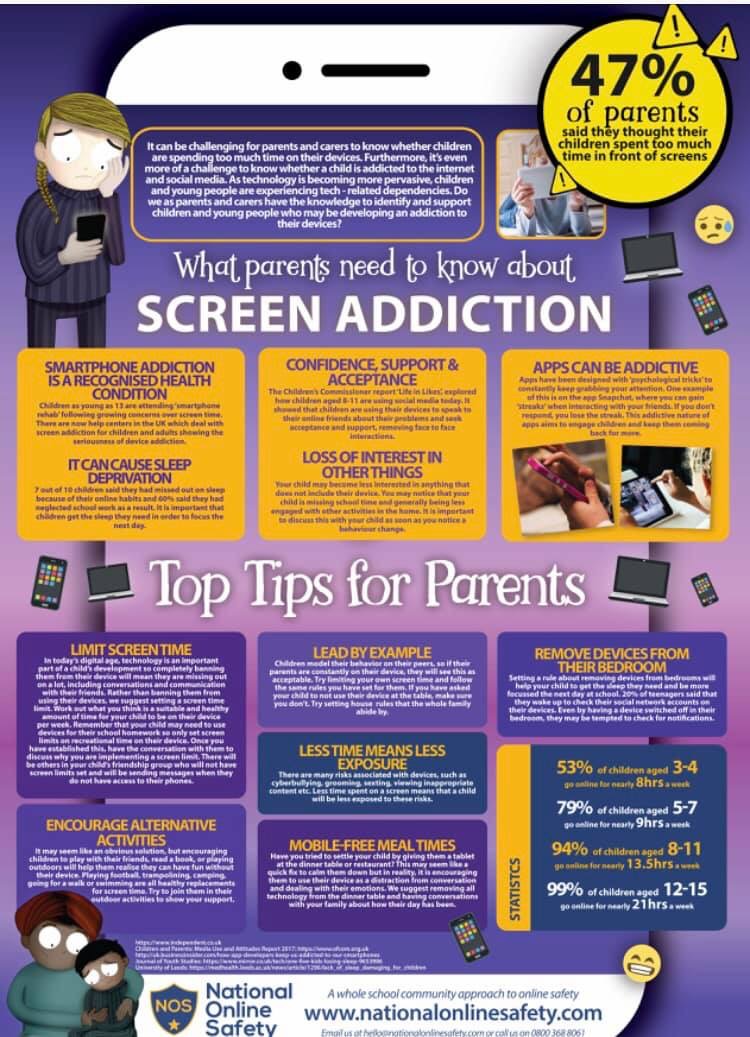
Screen time and wellbeing
Think about what your child is doing online, how it makes them feel and whether it affects their sleep, physical activity, learning or relationships.
Agree routines together, make time for breaks and help children recognise when they need to stop. Adults can support this by modelling balanced technology use.
Misinformation, conspiracy theories and AI
Not everything online is accurate. Posts may contain misleading claims, edited images or convincing videos created using artificial intelligence.
Help your child pause and ask:
- Who created this, and why?
- Is it a fact, an opinion, an advert or a joke?
- Can we check it using another reliable source?
- Is it trying to frighten us or make us share it quickly?
If your child encounters a conspiracy theory, listen calmly and explore the claim together. Encourage curiosity and checking evidence rather than making them feel embarrassed.
Visit Internet Matters: fake news and misinformation for further support.
For children:
You can always tell a trusted adult if something online worries you. Keep asking until someone helps.
Remember:
- Keep passwords and personal information private.
- Be kind when playing, posting and messaging.
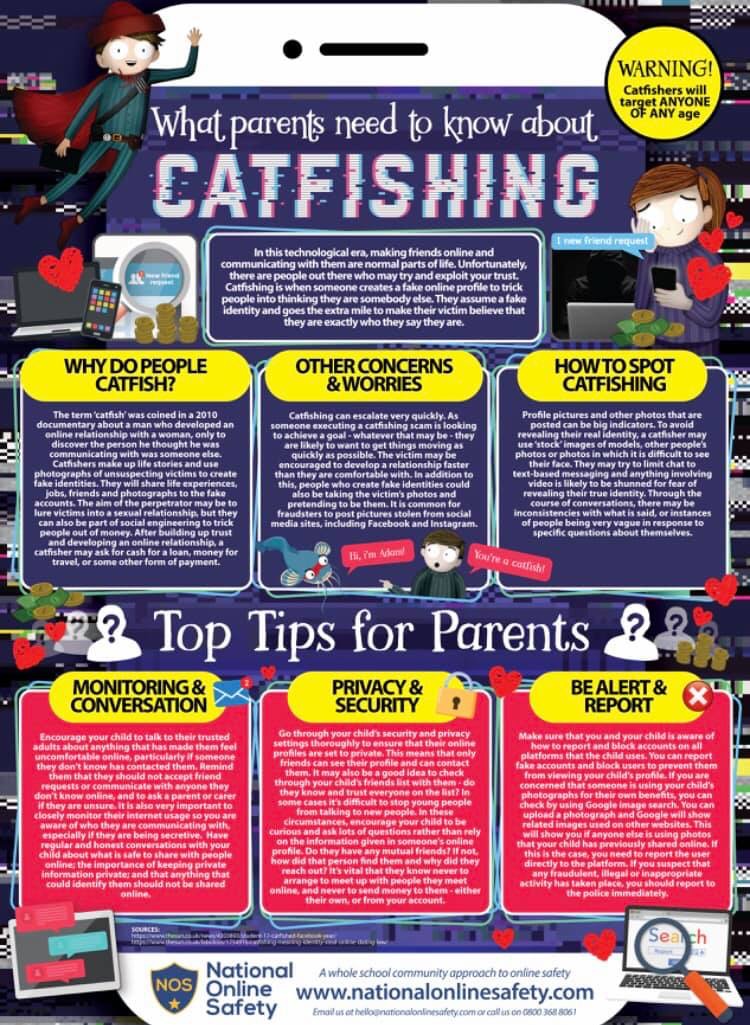
- Remember that people online may not be who they say they are.
- Do not agree to meet someone you only know online.
- Stop and ask an adult if something feels wrong.
- Ask before sharing photographs or videos of other people.
Explore these activities with a parent, carer or teacher:
- CEOP Education: ages 4–7 — stories and activities about safer choices online.
- CEOP Education: ages 8–10 — videos, games and advice about online safety.
Safer Internet Day
Safer Internet Day is an opportunity to talk about positive and safe technology use. These conversations matter throughout the year.
Visit the UK Safer Internet Centre’s Safer Internet Day page for the latest information and resources.
Wake Up Wednesday: Guides for Parents and Carers
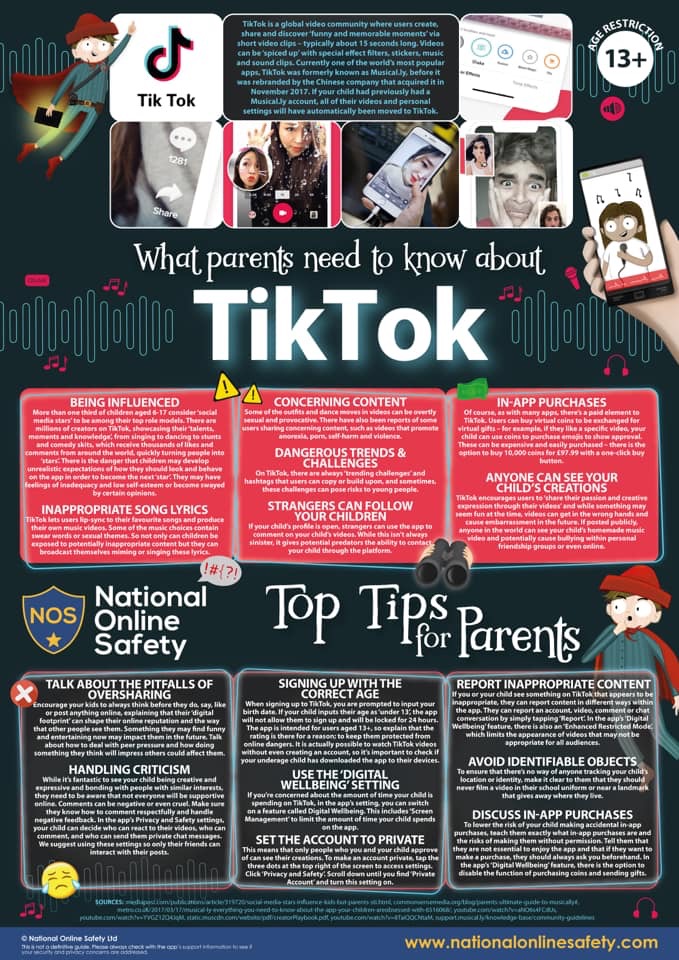
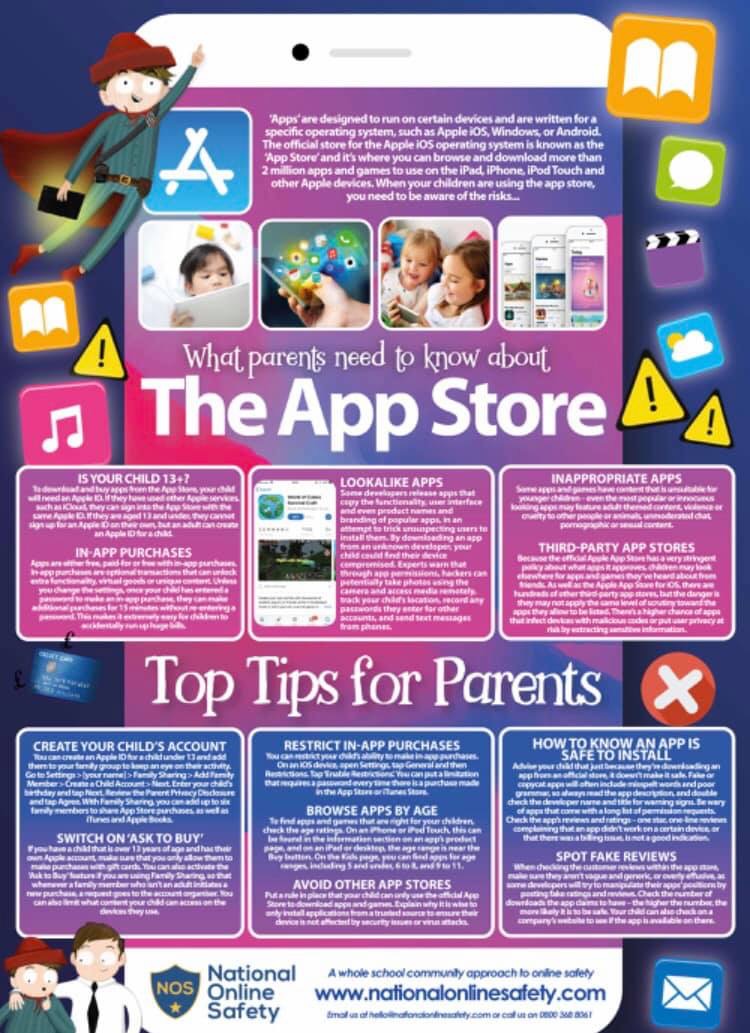
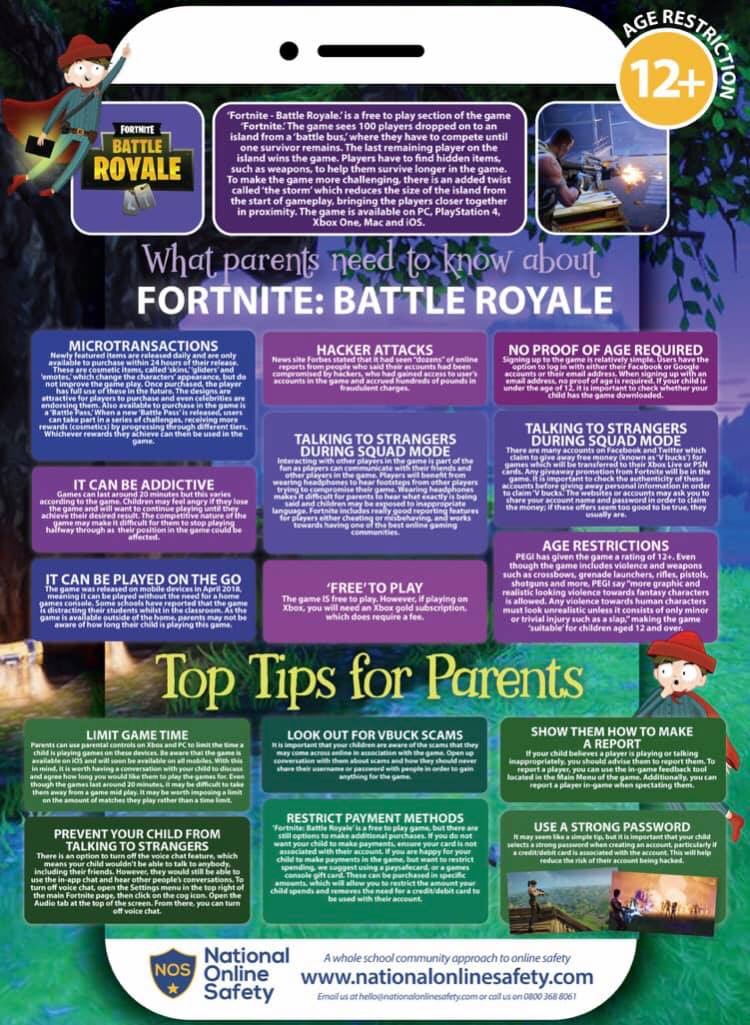
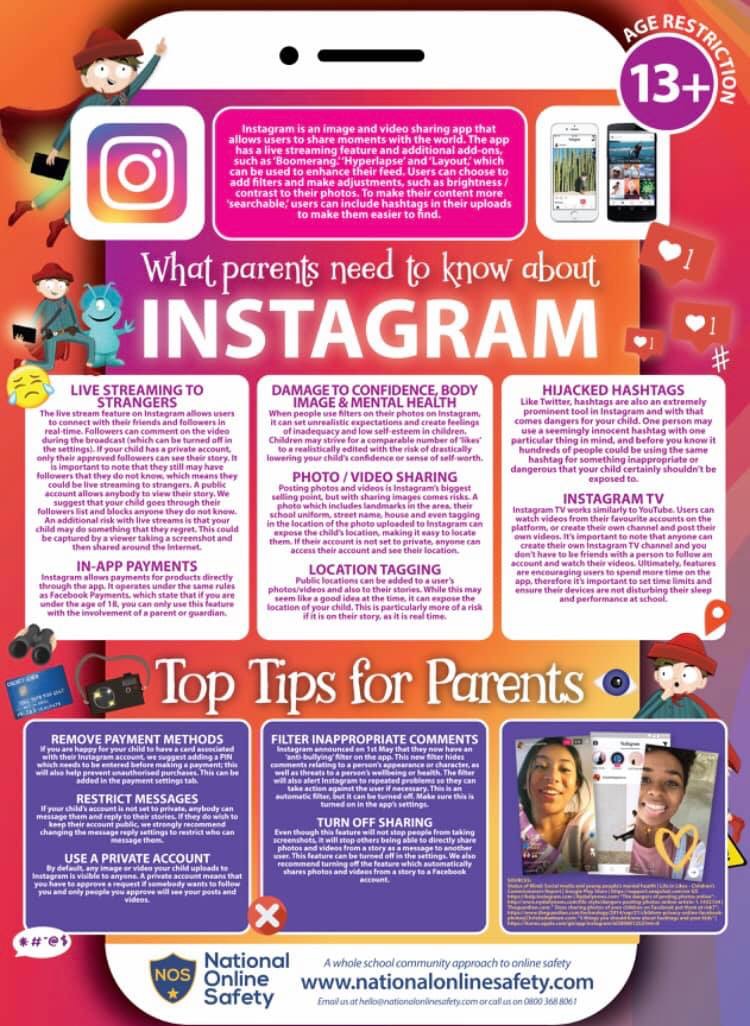
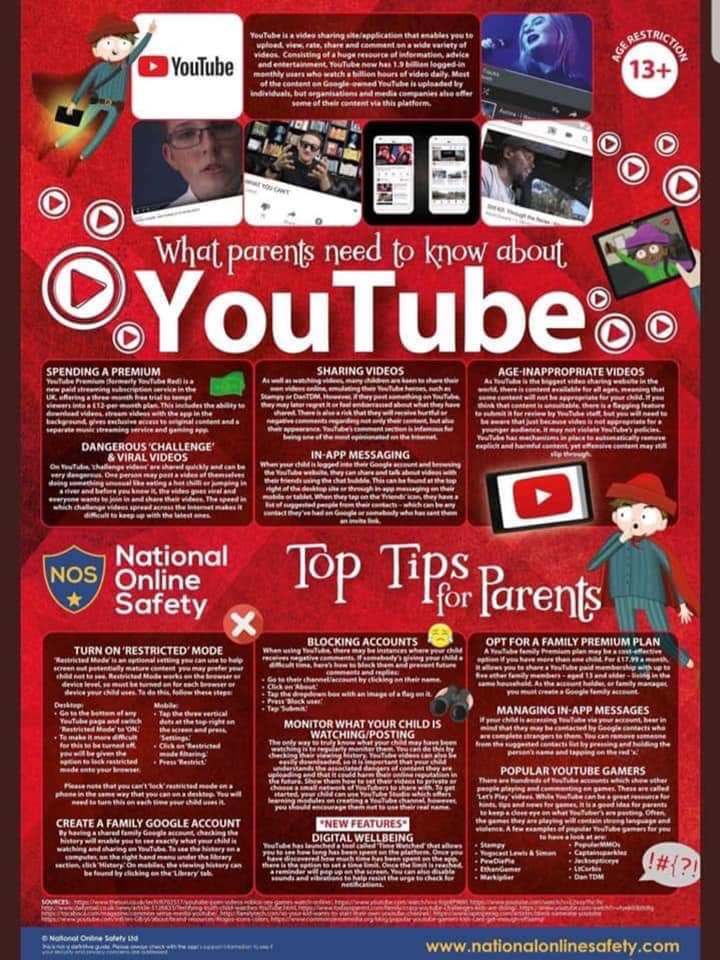
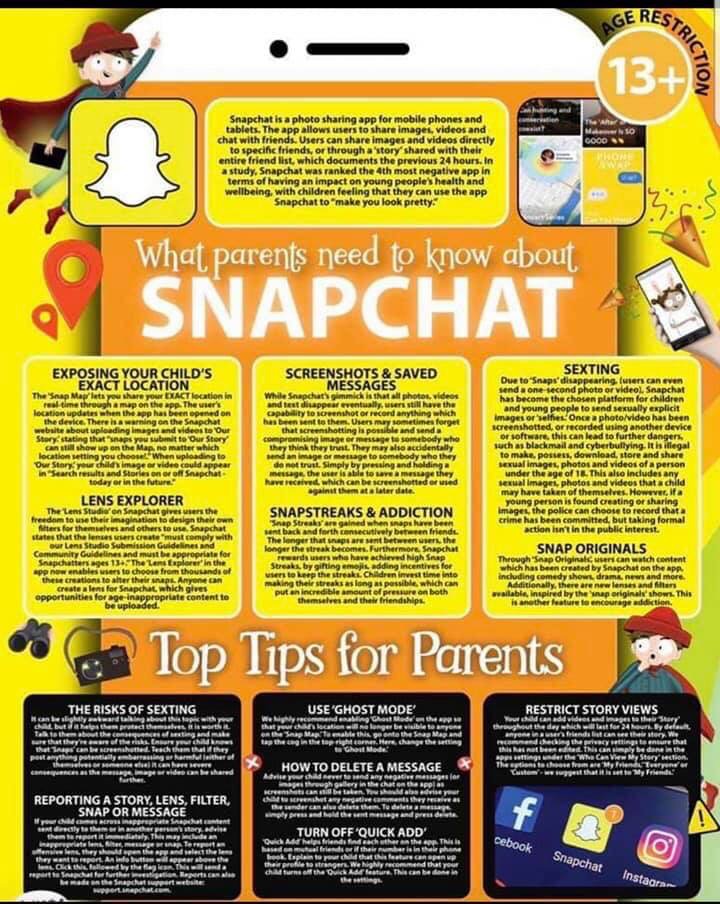
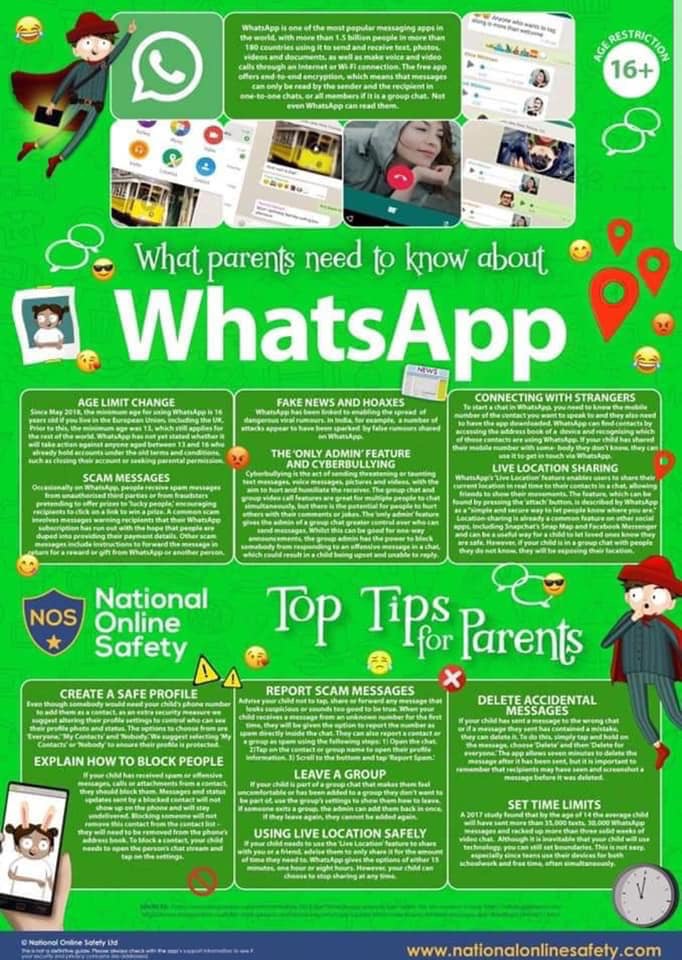
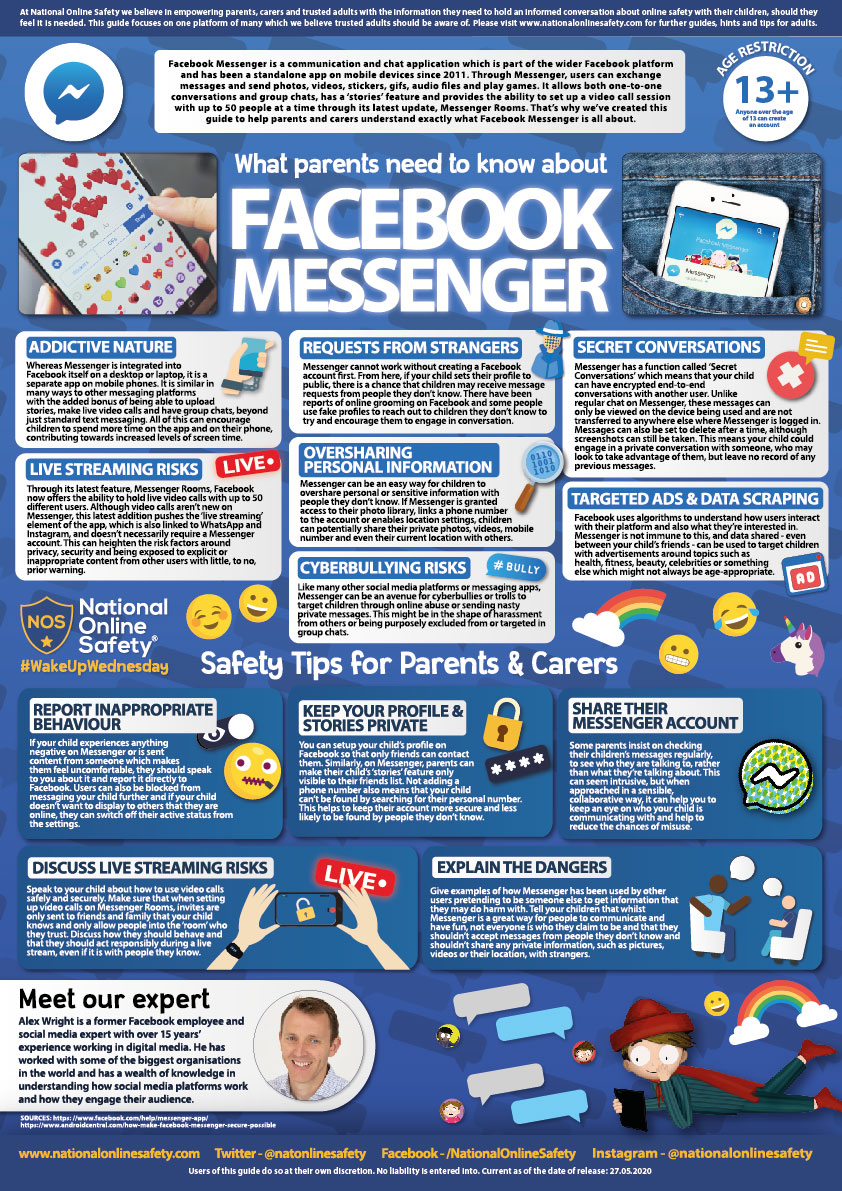
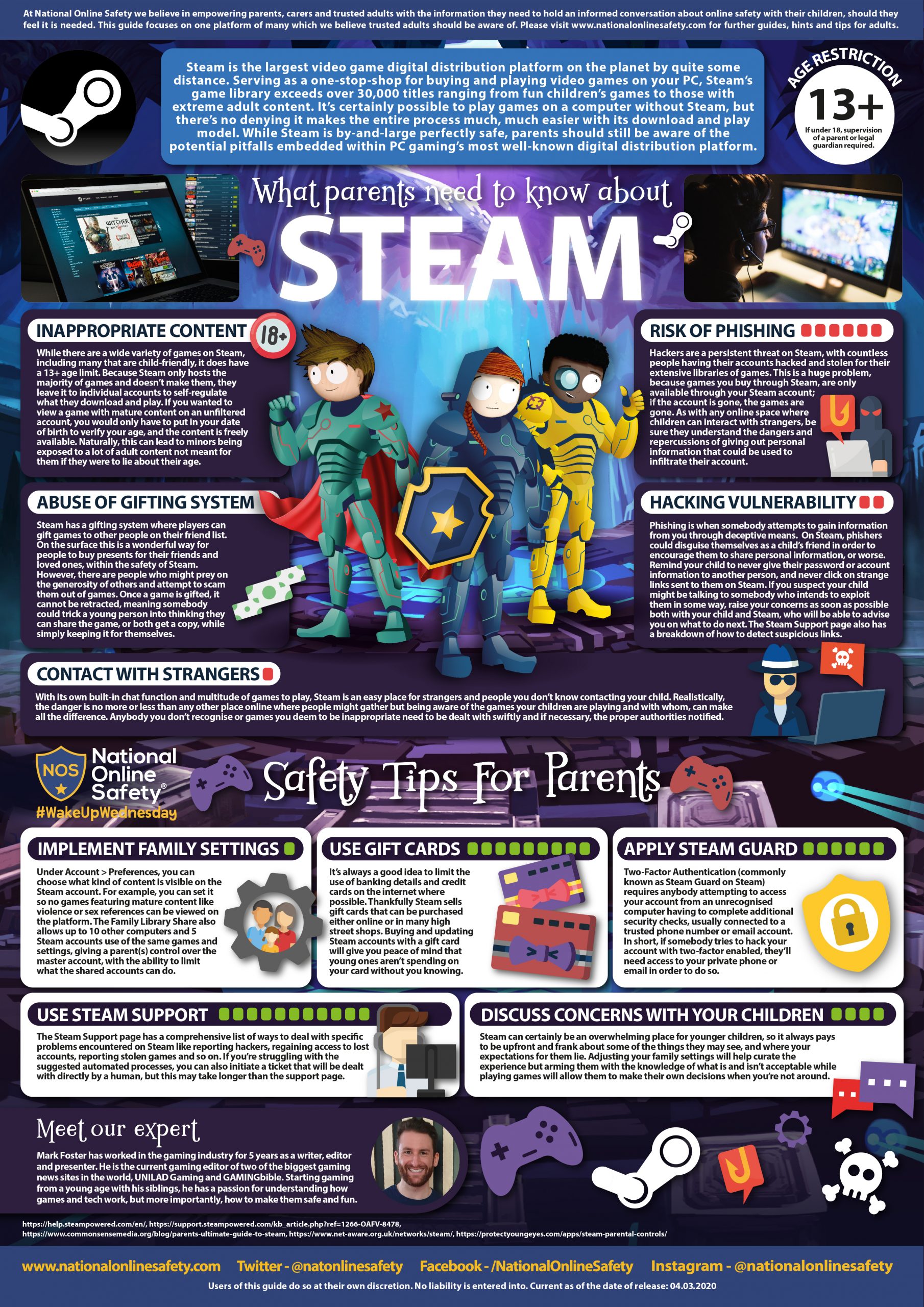
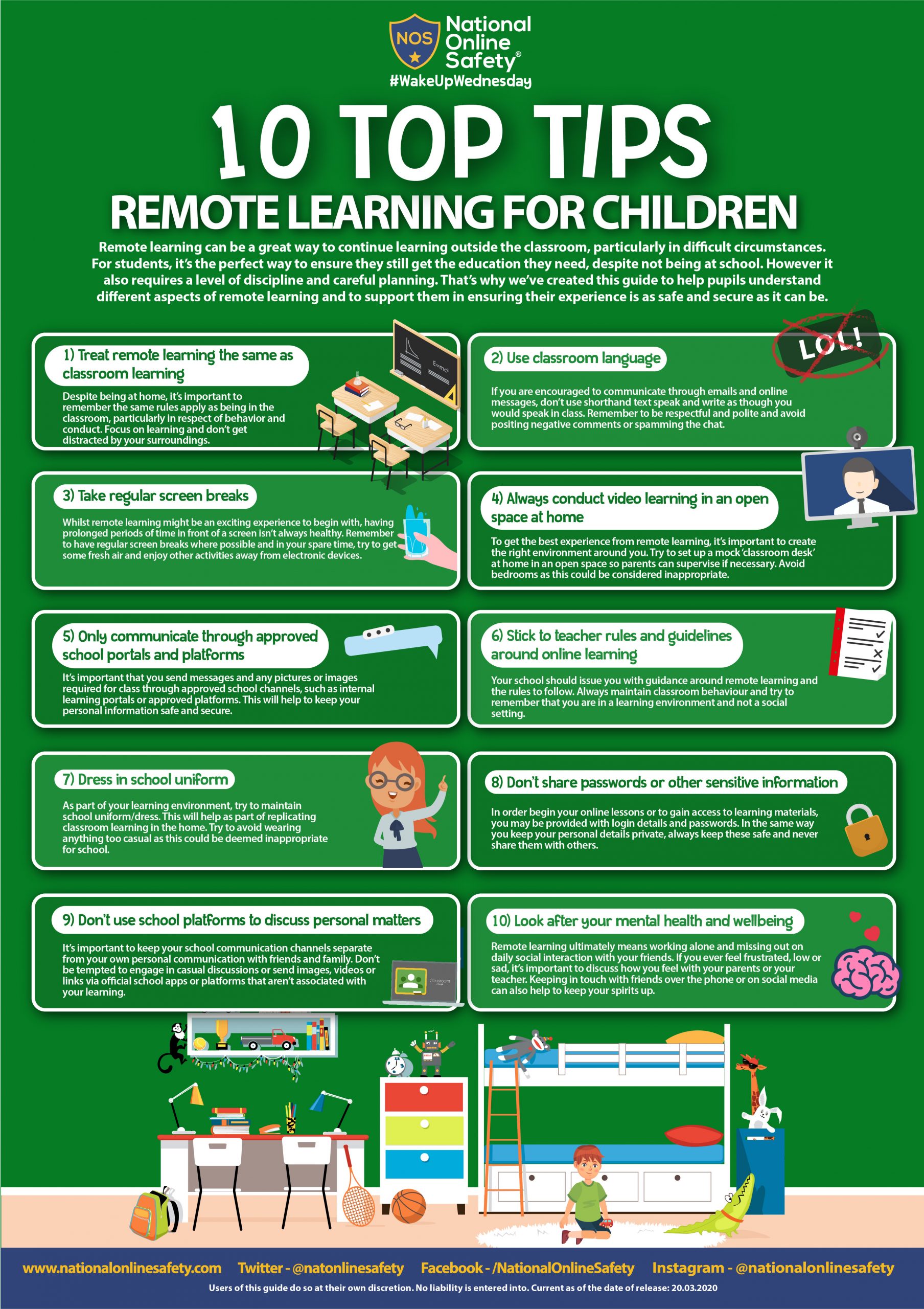
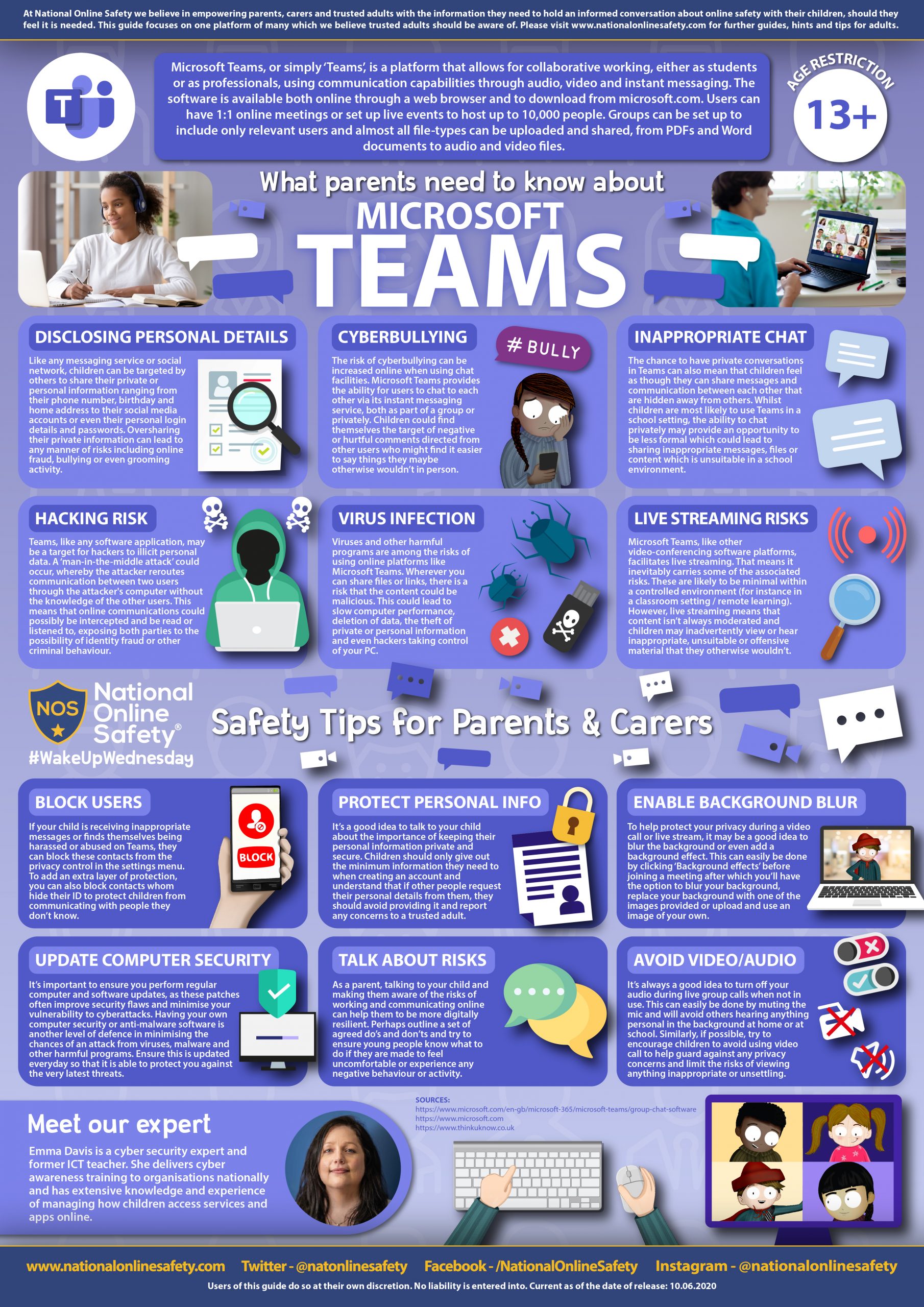
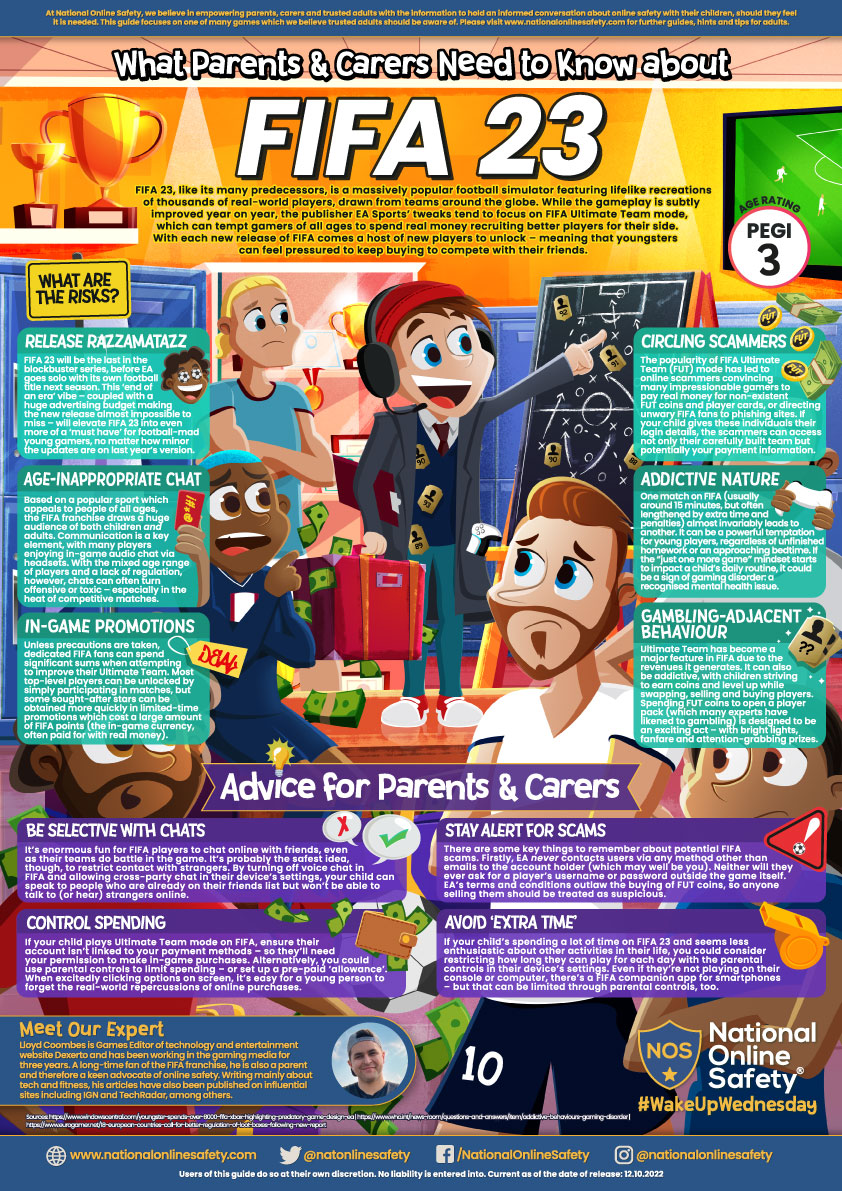
Keeping up with children’s online world can feel challenging. Our Wake Up Wednesday guides offer clear, practical advice to help parents and carers understand popular apps, games and online safety issues, alongside topics linked to children’s wellbeing. Explore the guides below for useful tips, conversation starters and simple steps you can take at home to help your child stay safe, happy and confident online.

Further safeguarding support
For information about our safeguarding team and how to raise a concern, visit our Safeguarding and Child Protection page.
Parent Zone: Supporting Digital Family Life
Parent Zone helps families understand and navigate children’s digital world. Its information and resources can help parents and carers build confidence, start conversations about technology and support children to make safer choices online.
Visit Parent Zone to explore support for digital family life and help your child enjoy technology safely and positively.