
History at Leamington Primary School
Our History Curriculum Intent
At Leamington Primary School, we want our children to become EXPLORERS, ARCHAEOLOGISTS and HISTORIANS. We believe History should spark curiosity, encourage children to ask questions and inspire them to find out more. Our curriculum gives children opportunities to explore different periods of history, understand how the past has shaped the world today and develop a love of learning. We want our children to experience History, not simply read about it. Wherever possible, we bring learning to life through real artefacts, visitors, workshops, drama, trips and immersive experiences. These experiences help children create lasting memories and develop a deeper understanding of the past. Our curriculum also celebrates our local history and community, helping children recognise that History is all around them. We want every child to leave Leamington with a strong understanding of the past, a rich historical vocabulary and the confidence to question, investigate, compare and use evidence like a historian.
History Curriculum Implementation
Our history curriculum follows the National Curriculum and is carefully planned and sequenced so that children build on their knowledge and skills as they move through the school. Children make connections between different periods of history and develop a growing understanding of chronology. Throughout their learning, children are encouraged to ask:
What happened? Why did it happen? What was it like? How do we know? What has changed? What has stayed the same?
Alongside developing historical knowledge, children learn how to examine evidence, investigate artefacts, consider different interpretations and explain their own ideas.
Bringing History to Life
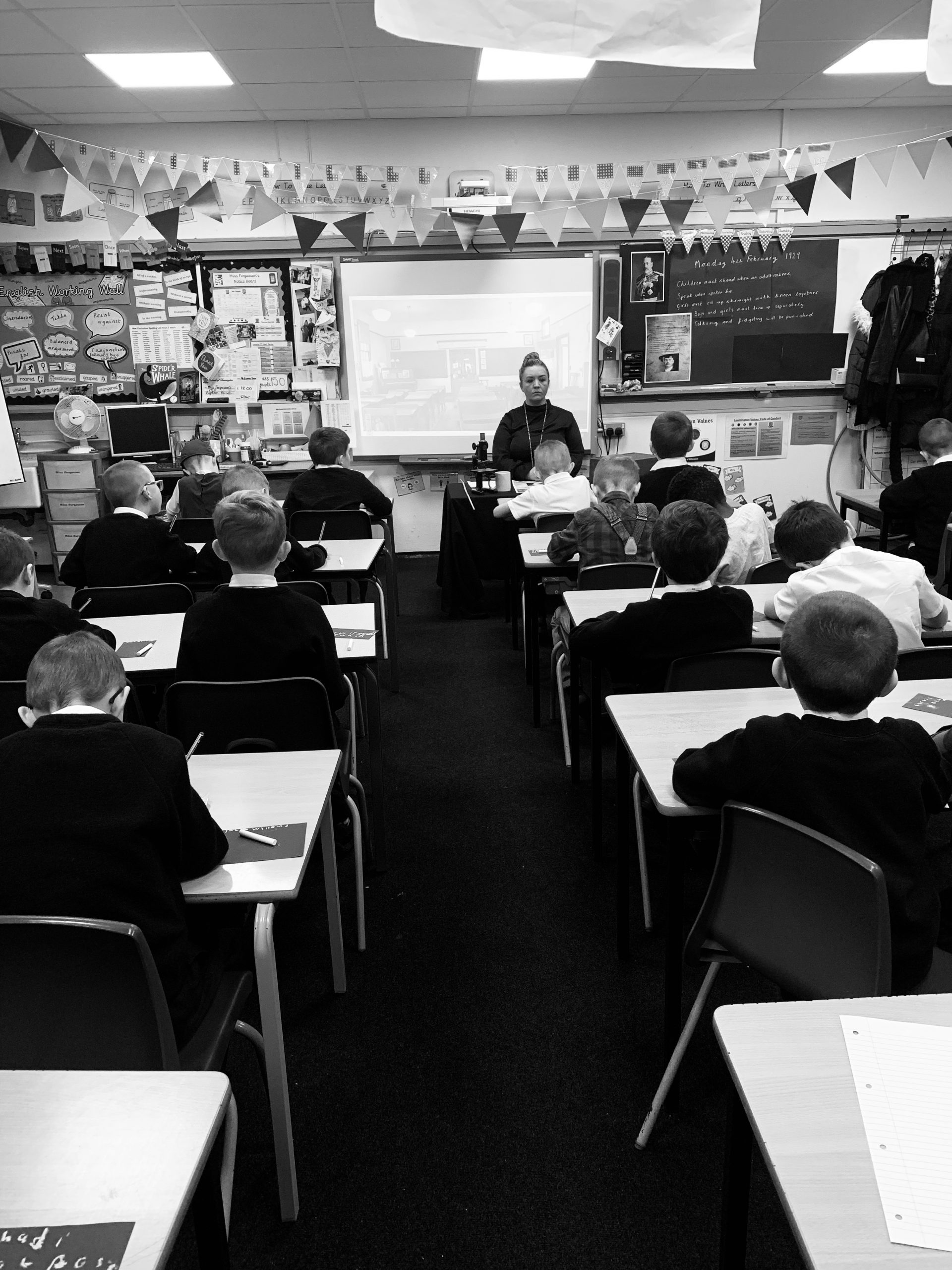
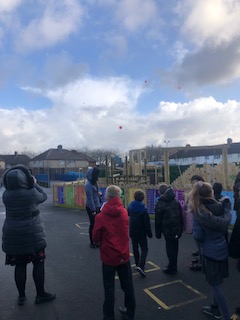
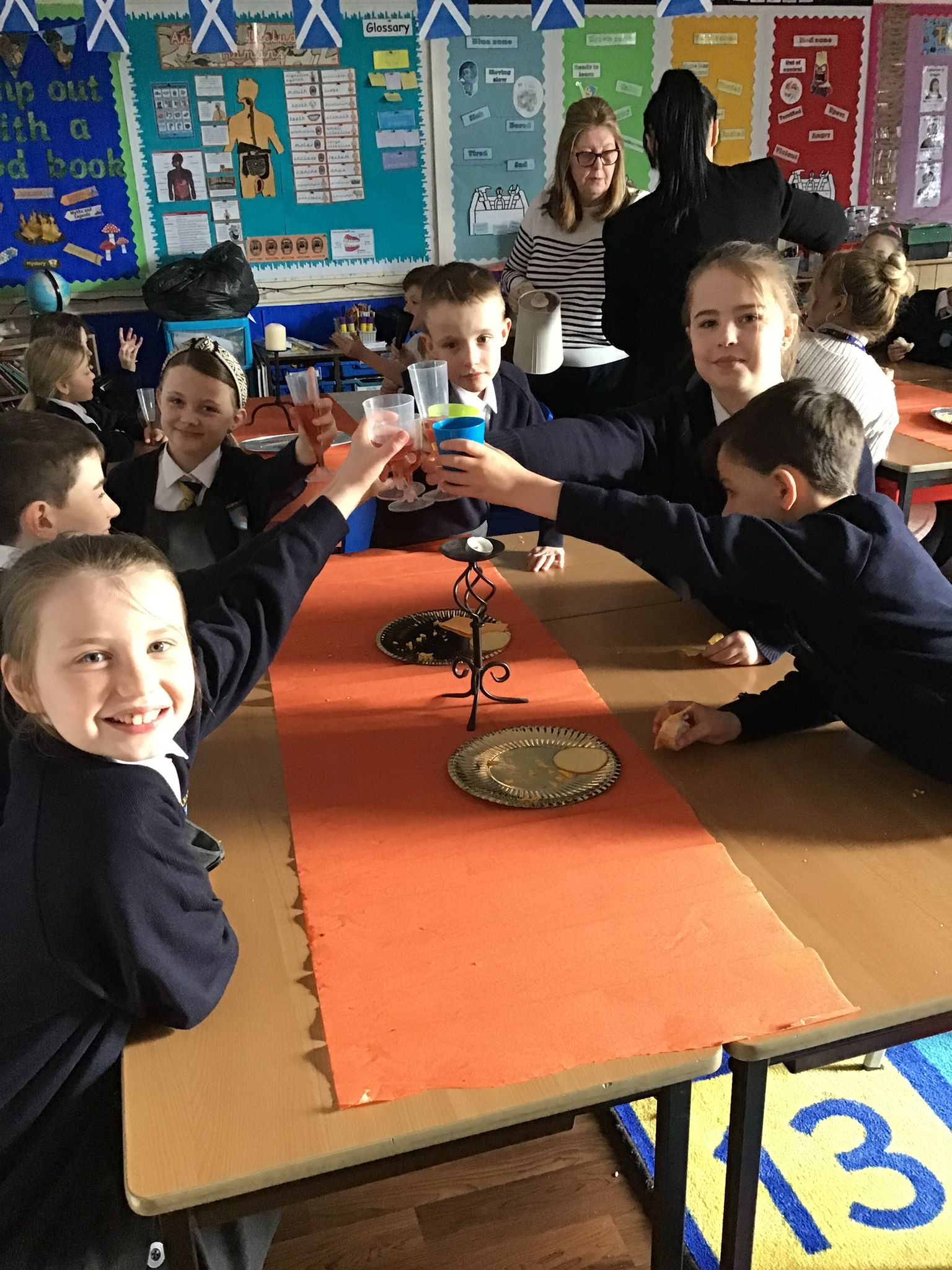
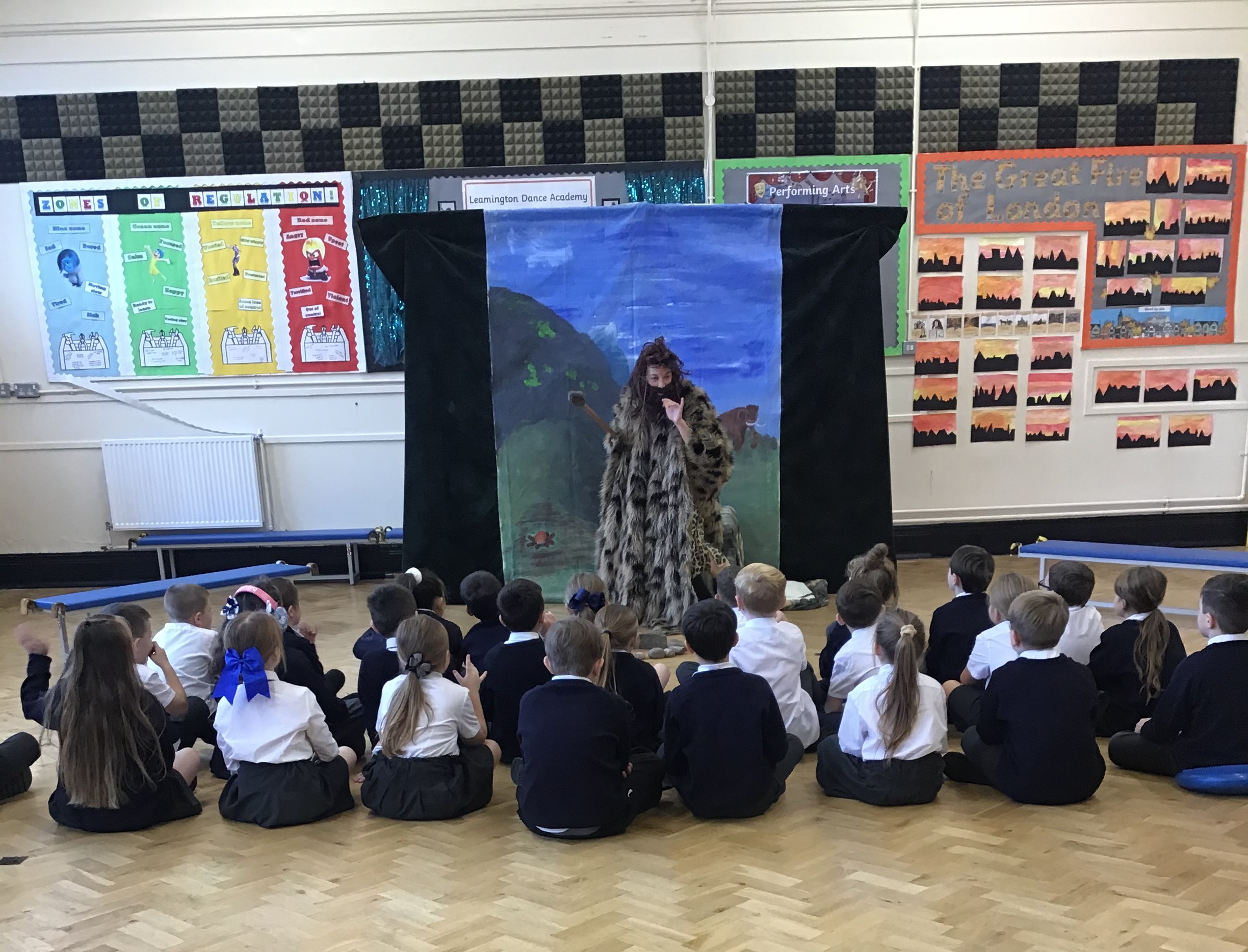
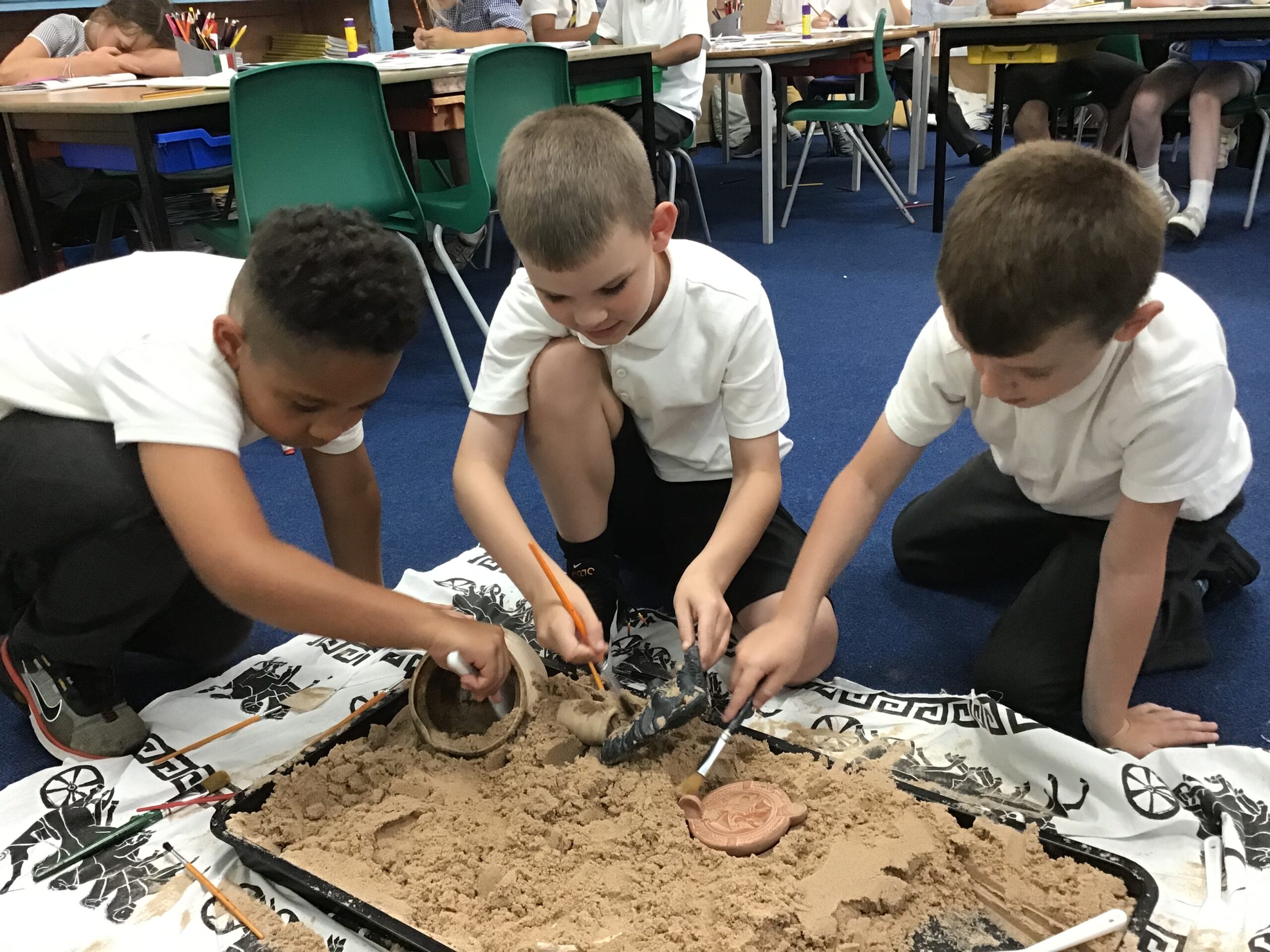
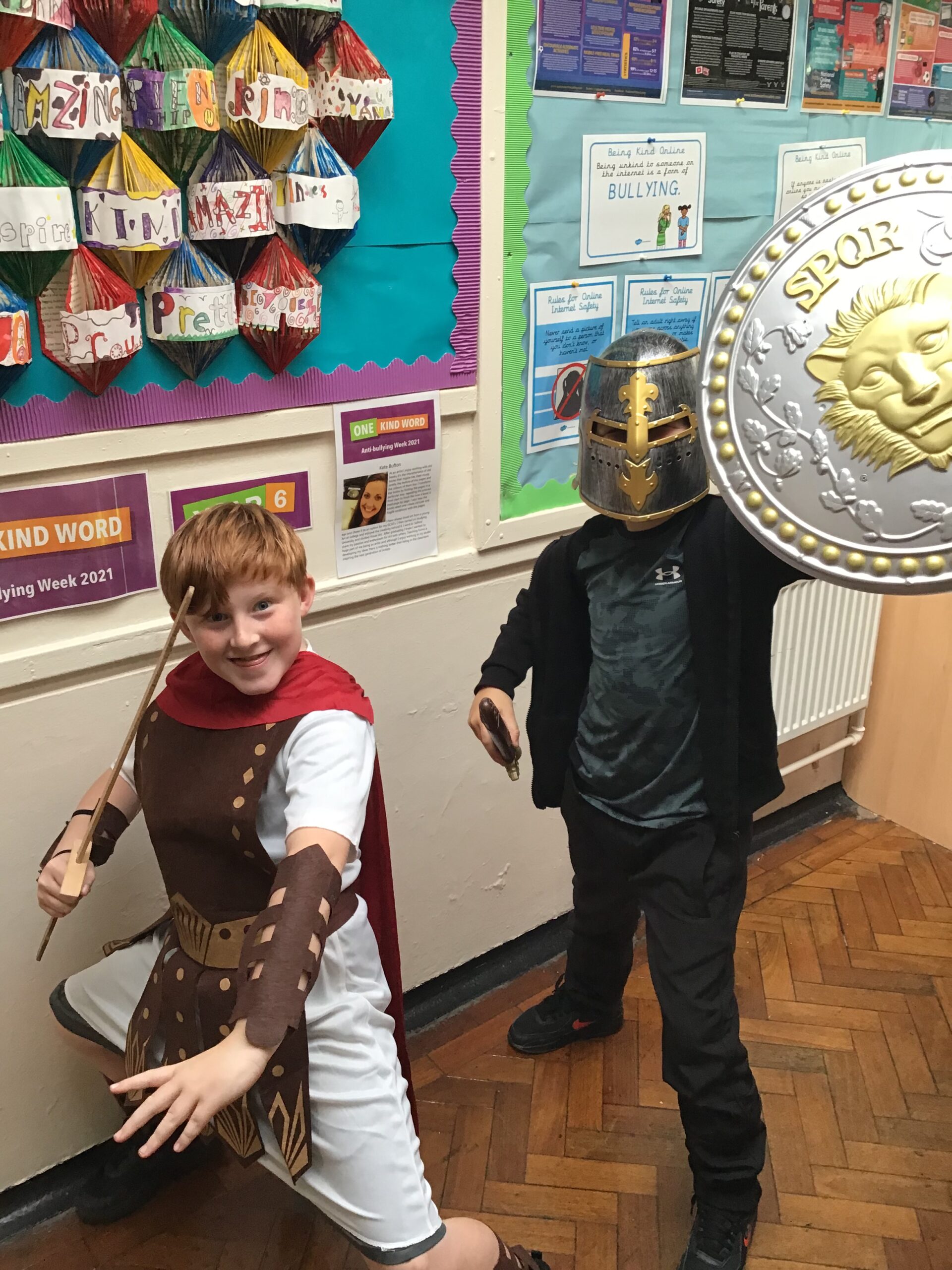
We believe children learn best when they are actively involved in their learning. Teachers create exciting and immersive experiences that transport children into the past. For example, during Year 5’s topic ‘Why were the Anglo-Saxons so smashing?’, children became archaeologists and recreated the burial site at Sutton Hoo on our school grounds. They investigated evidence, asked questions and developed a deeper understanding of Anglo-Saxon life. Drama and role play are also used to help children imagine what life may have been like during different periods, encouraging them to think critically and consider different perspectives.
Learning Beyond the Classroom
Trips, workshops and visitors are an important part of our history curriculum. They allow children to experience history first-hand and make meaningful connections between their classroom learning and the wider world.
For example:
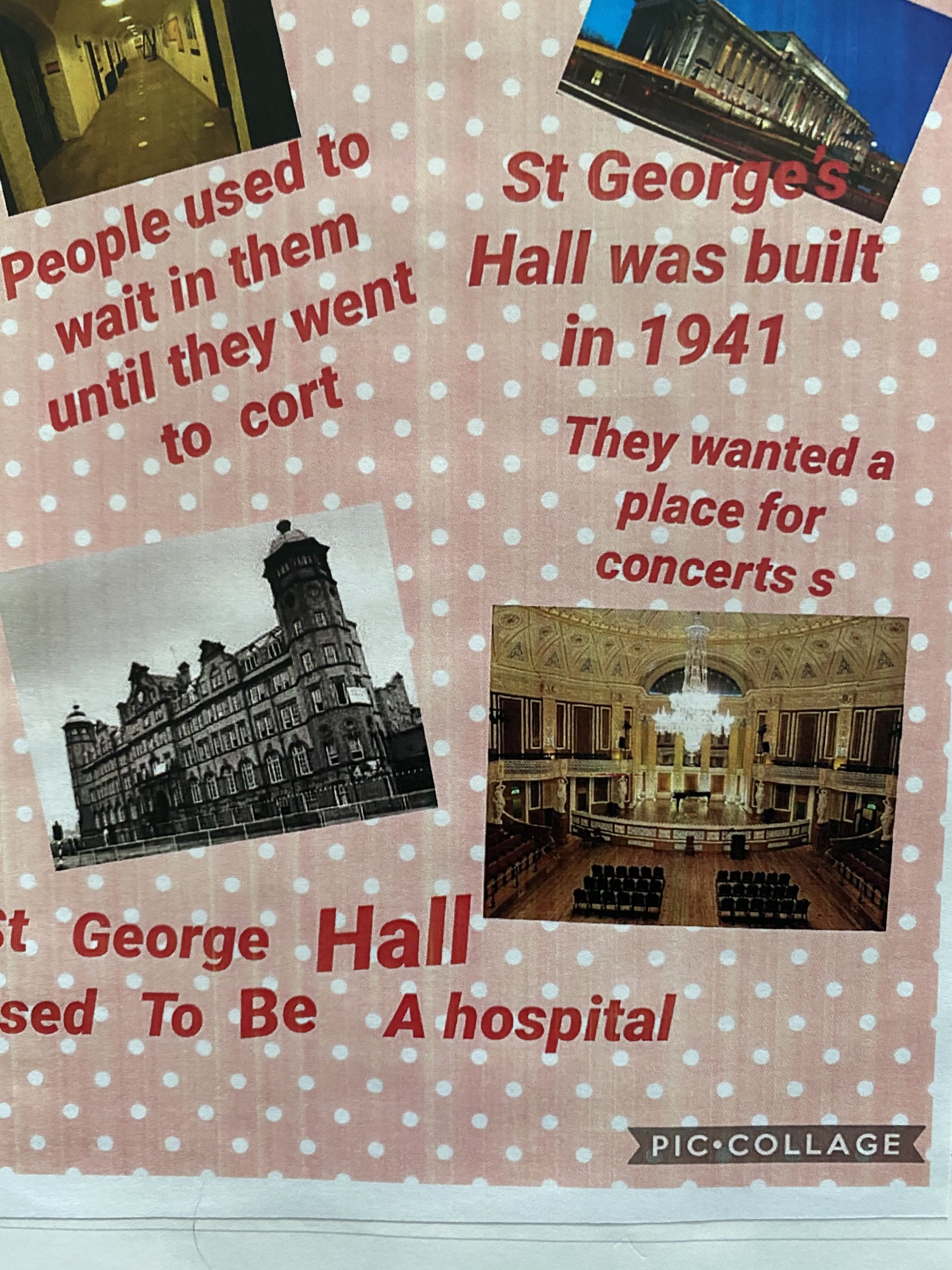
- Year 2 explore How has St George’s Hall changed? through a visit to St George’s Hall, including its underground cells and courtroom.
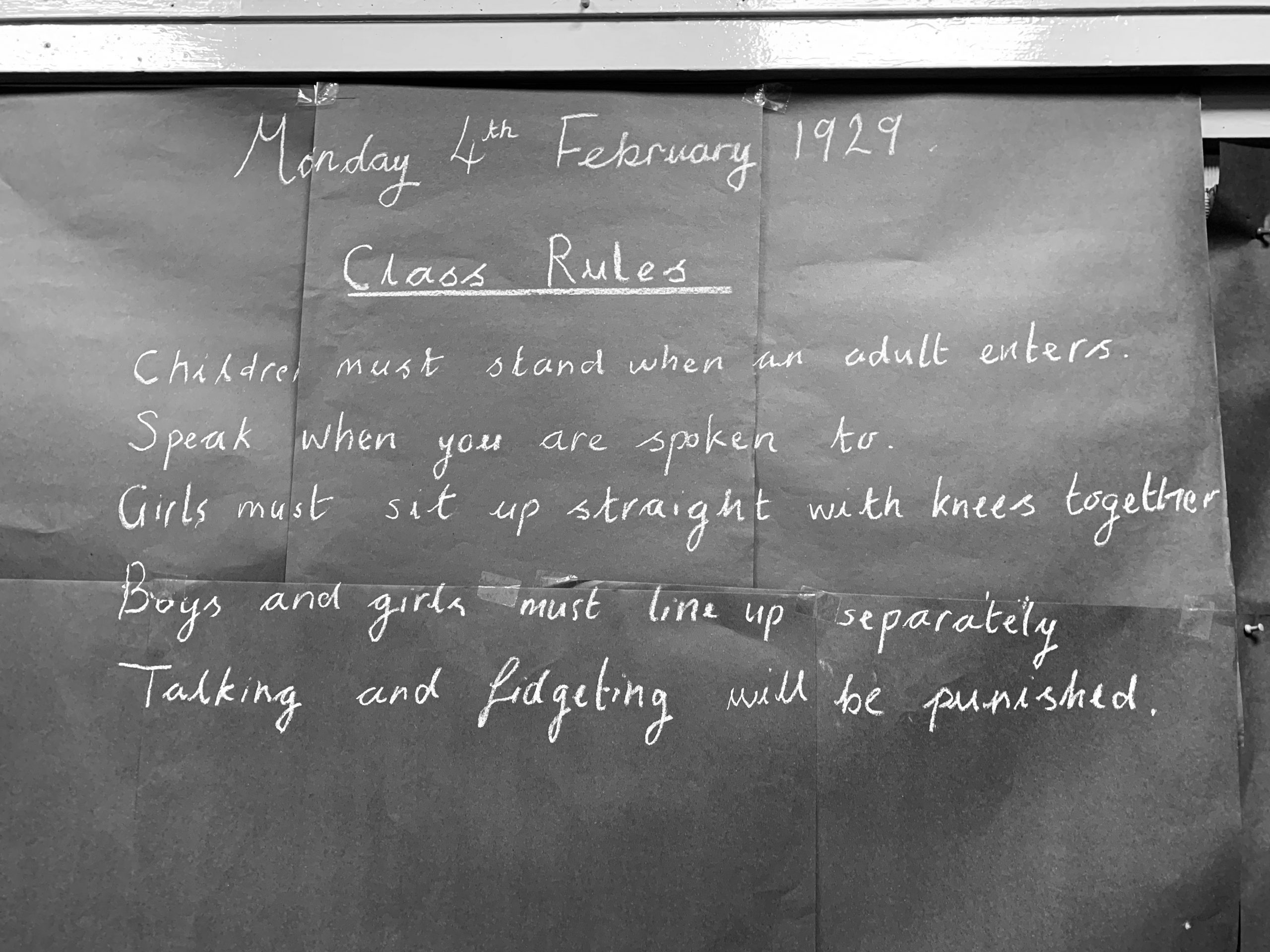
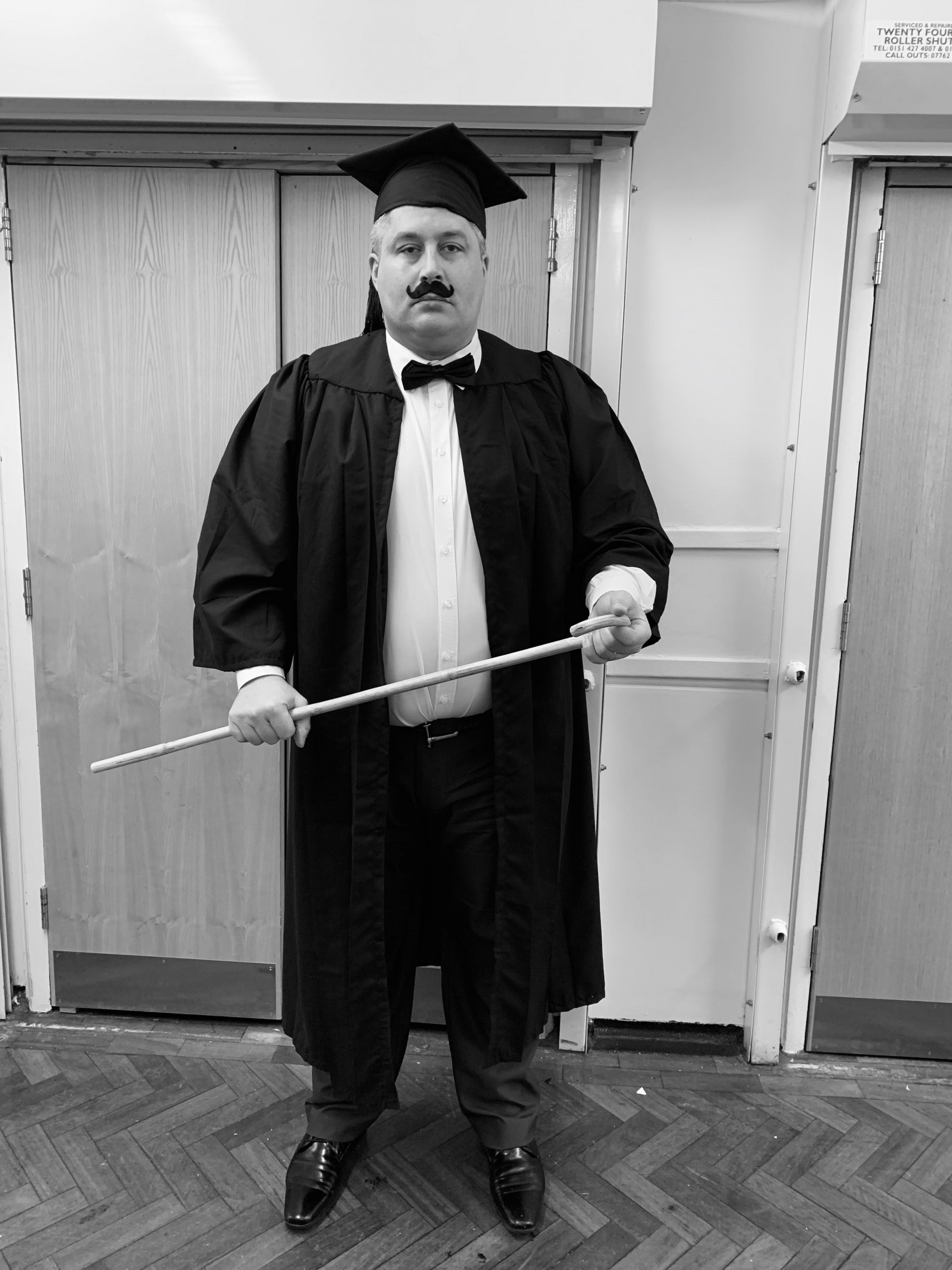
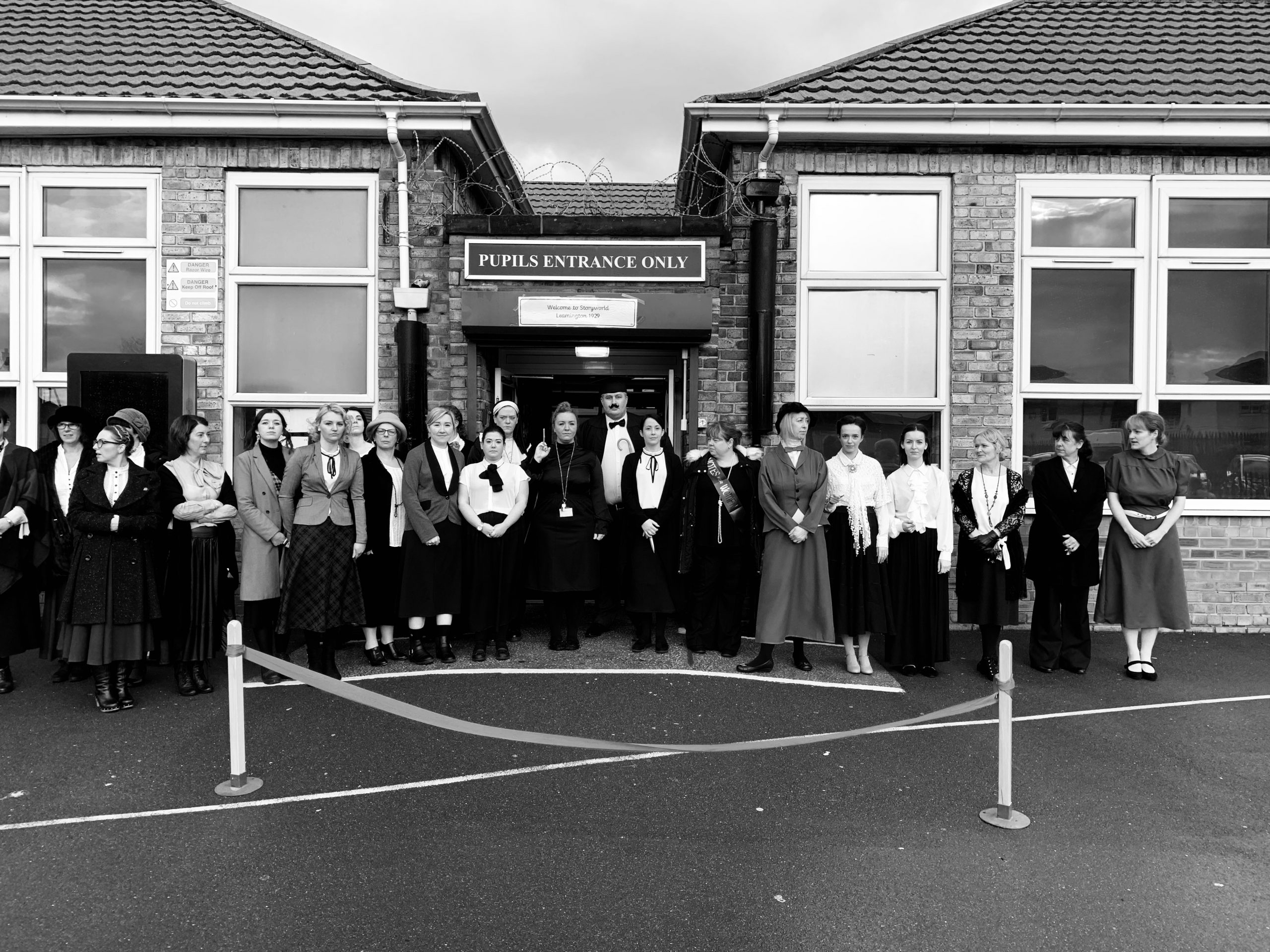
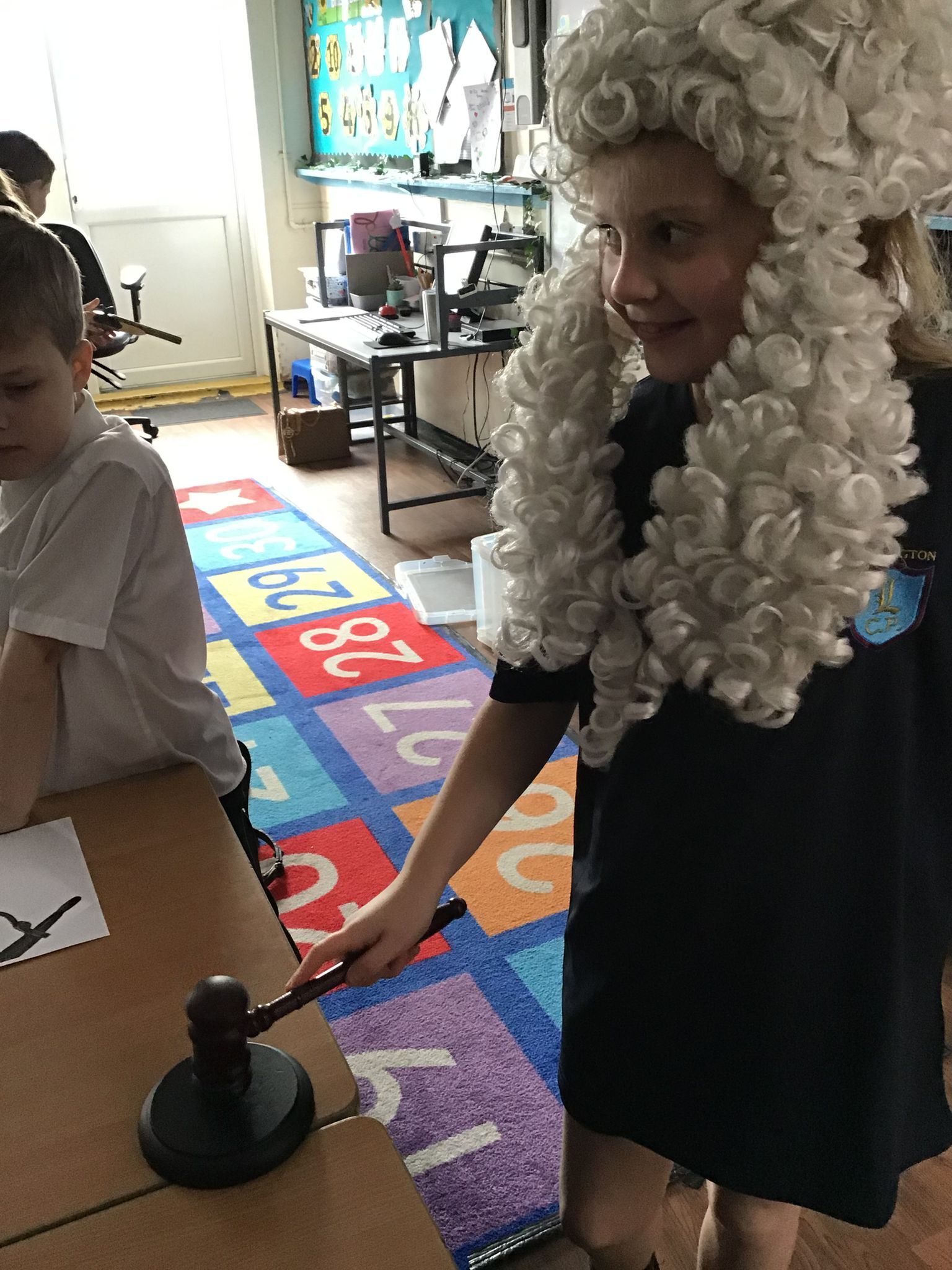
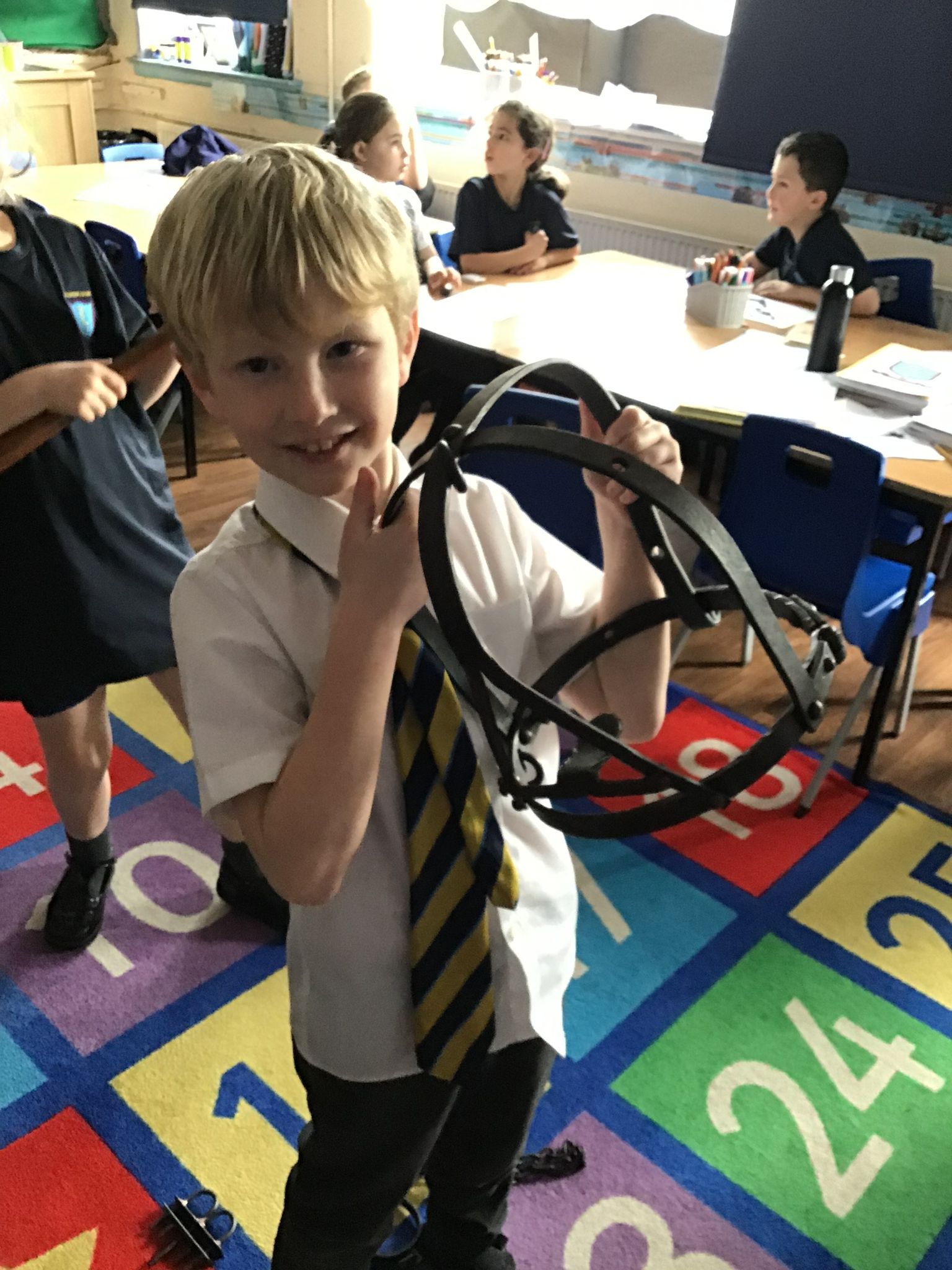
- Year 4 explore Crime and Punishment through an immersive workshop, investigating how crimes and punishments have changed over time.
- Year 3 become archaeologists as they explore our local history and investigate how evidence can help us understand the past.
Across the school, children have opportunities to take part in:
- Great Fire of London workshops
- Visits to St George’s Hall
- Visits to The Beatles Story Museum
- Local history experiences at Norris Green Park
- Ancient Greek workshops
- Crime and Punishment workshops
- A Roman trip to Chester
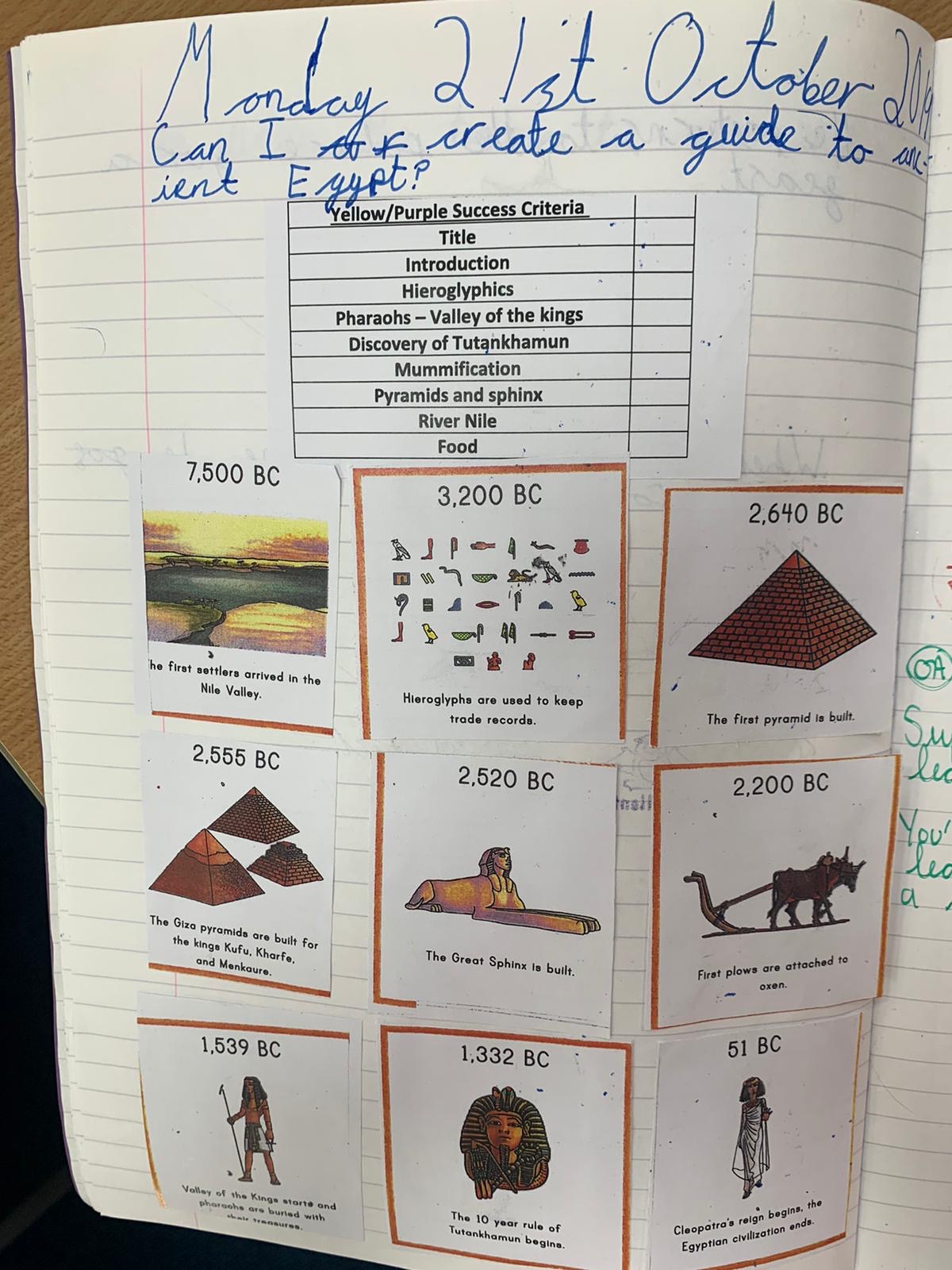
- Visits to World Museum, including learning about mummification and Ancient Egypt
- Discover Ancient Egypt workshops
- Visits to Imperial War Museum North in Manchester, exploring World War I and World War II
- A wide range of opportunities to handle and investigate historical artefacts
These experiences give children the opportunity to see, touch, question and investigate the past.
History Curriculum Impact
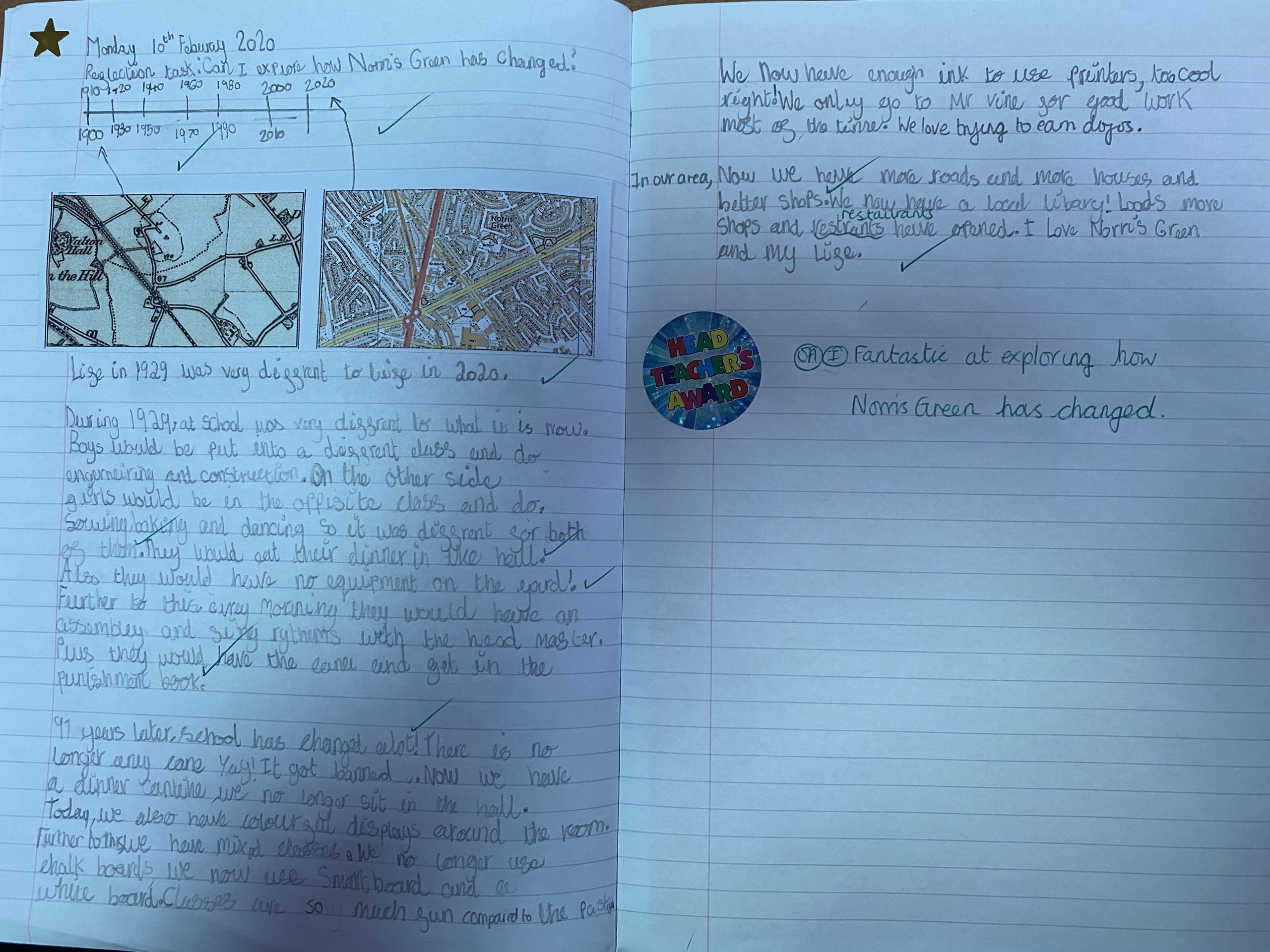
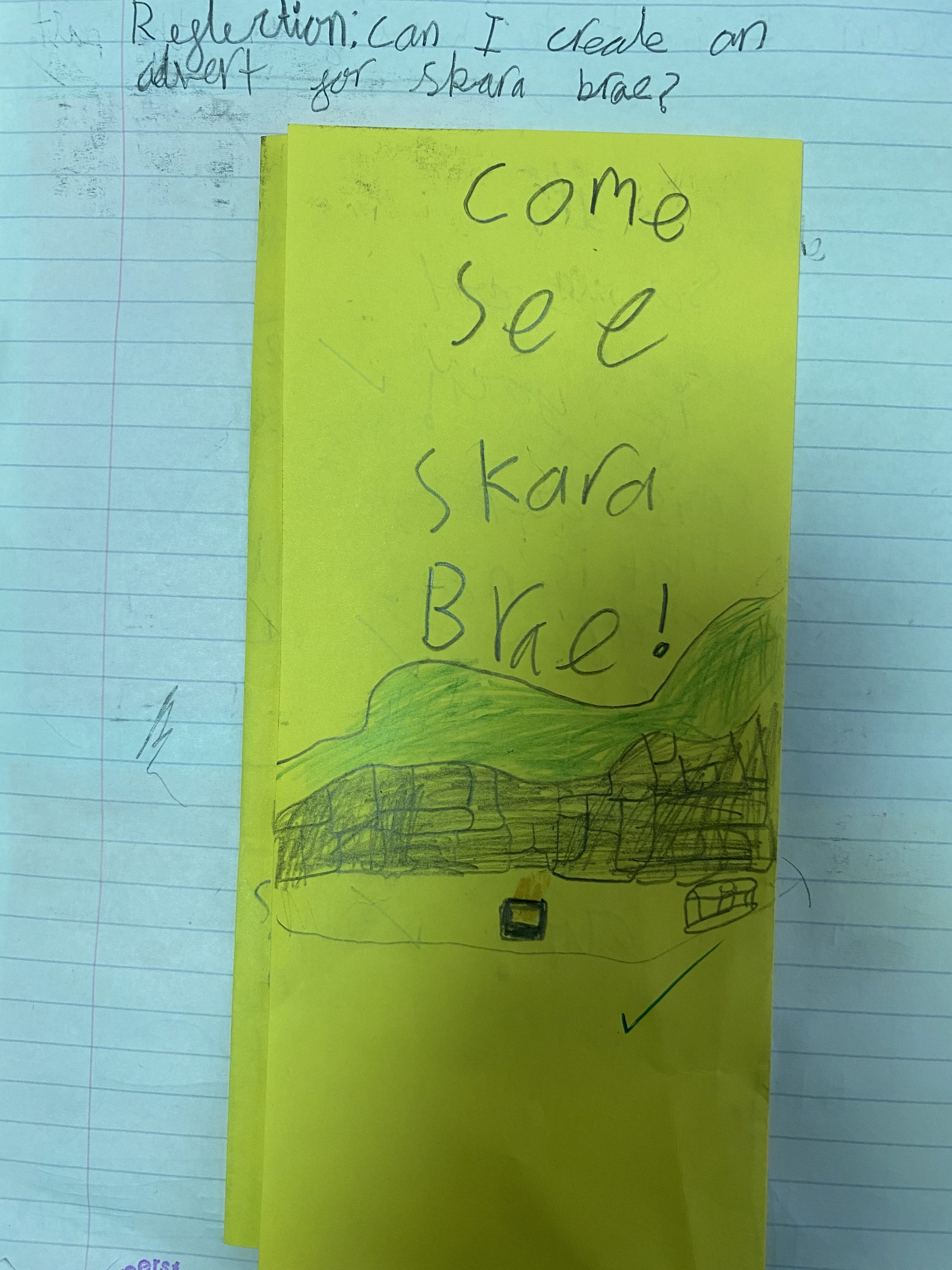
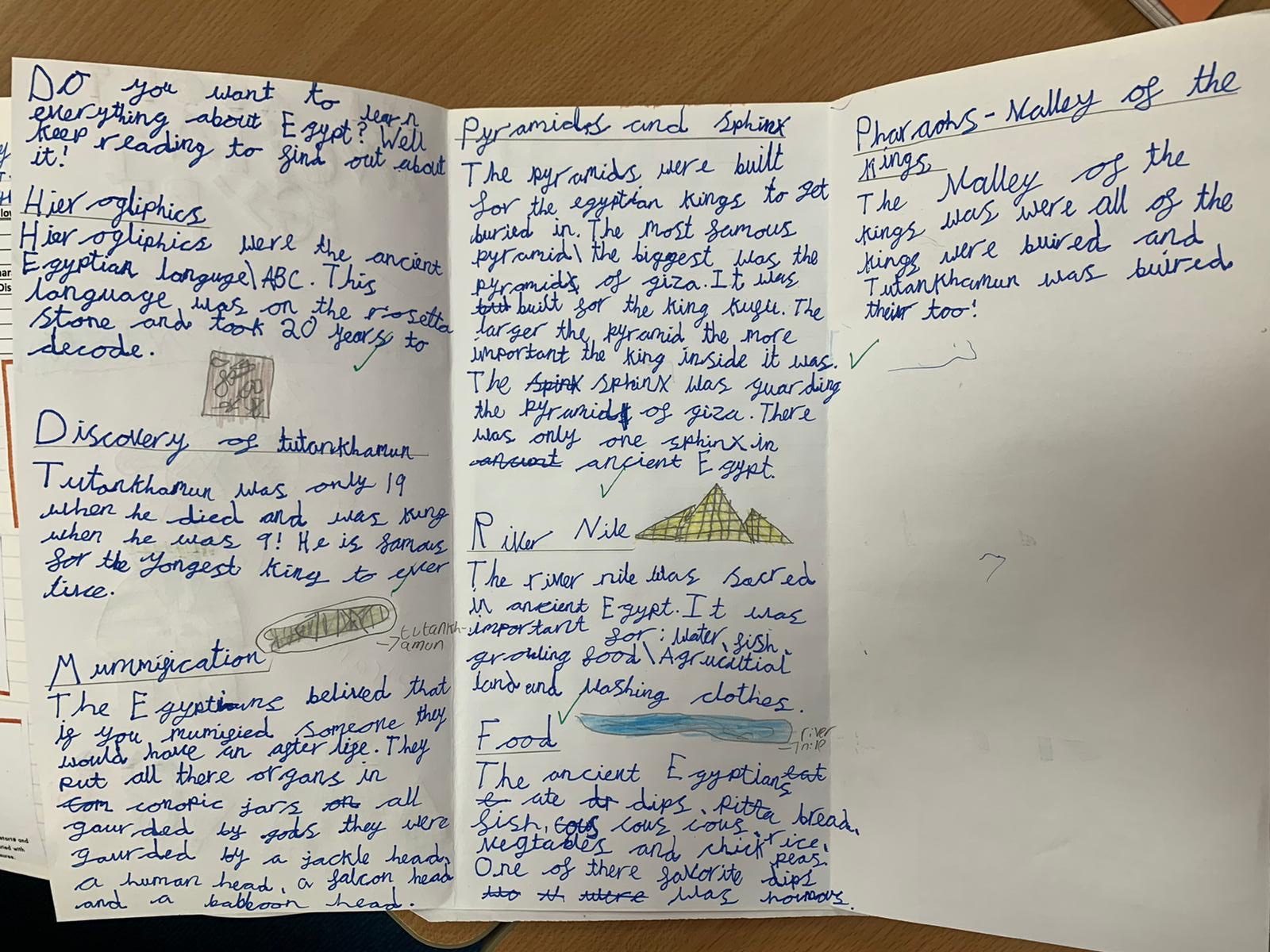
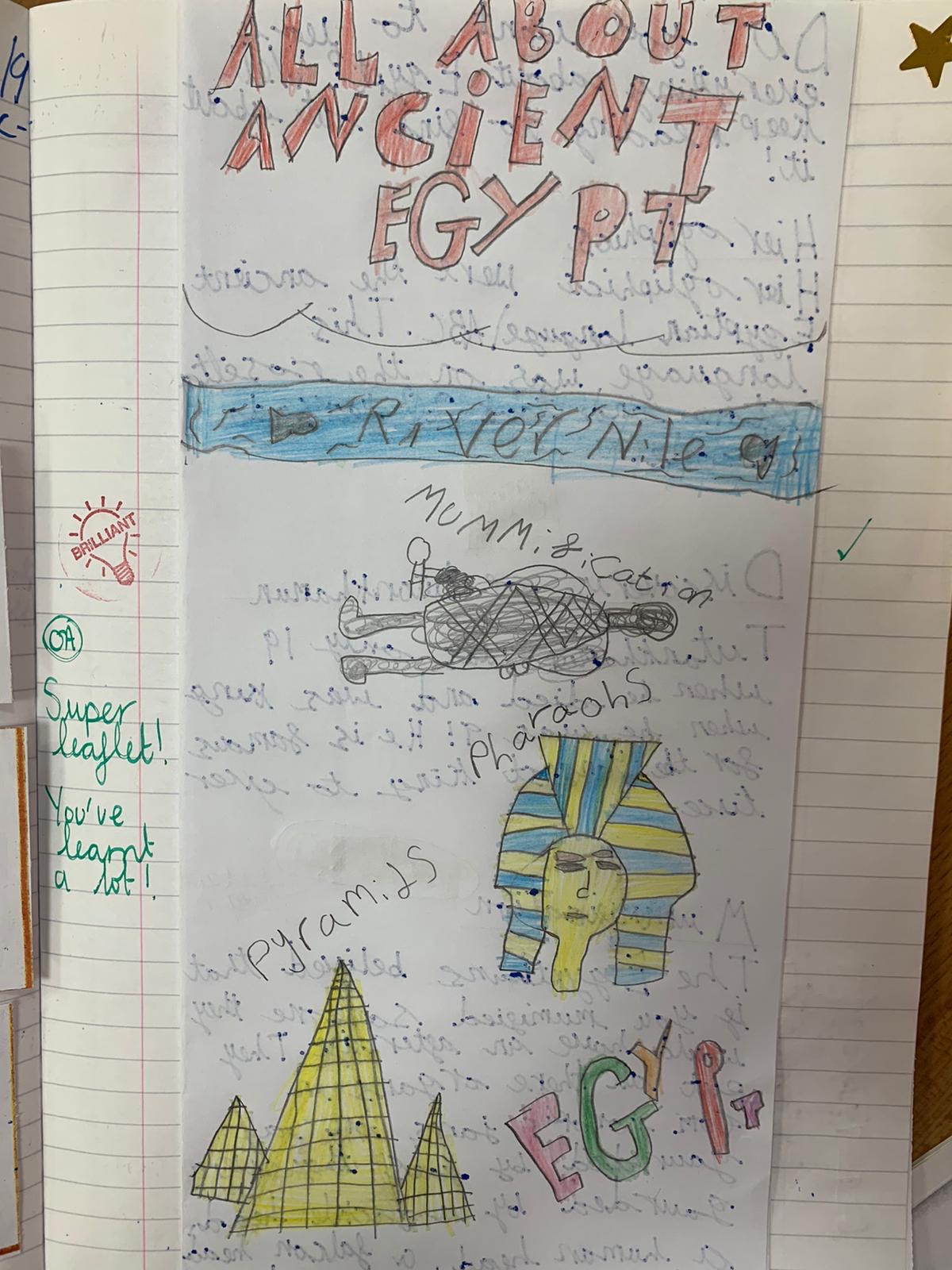
We want our history curriculum to make a lasting difference. At the end of each topic, children have opportunities to reflect on and demonstrate their learning in creative and meaningful ways. These include debates, information booklets, documentaries, persuasive texts, presentations and other reflection tasks. Teachers use assessment sheets to assess children’s progress, identify gaps and inform future teaching. Assessment is closely linked to the National Curriculum and focuses on both what children know and how effectively they can work as historians. We want children to leave each History topic able to confidently discuss what they have learned, use appropriate historical vocabulary, make connections and explain their thinking. Most importantly, we want our children to leave Leamington with a thirst for knowledge and a genuine fascination with the past.
Reflection Task Whole School Overview
Our History Experiences
Our trips, visitors and workshops are carefully chosen to enhance and deepen children’s learning, providing experiences they can draw upon when discussing, writing about and investigating the past.
At Leamington, History is more than learning about the past. It is about discovering it, questioning it, experiencing it and understanding how it has shaped our world.
Curriculum Area Overview – Humanities
Important Documents: